What's Winter Like in Alpine CA?
What's Winter Like in Alpine, CA?
One of the things that surprises people most when they move to Alpine is that winter actually feels like winter.
Not Midwest winter. Not deep mountain winter. But more seasonal than what most people picture when they think "San Diego."
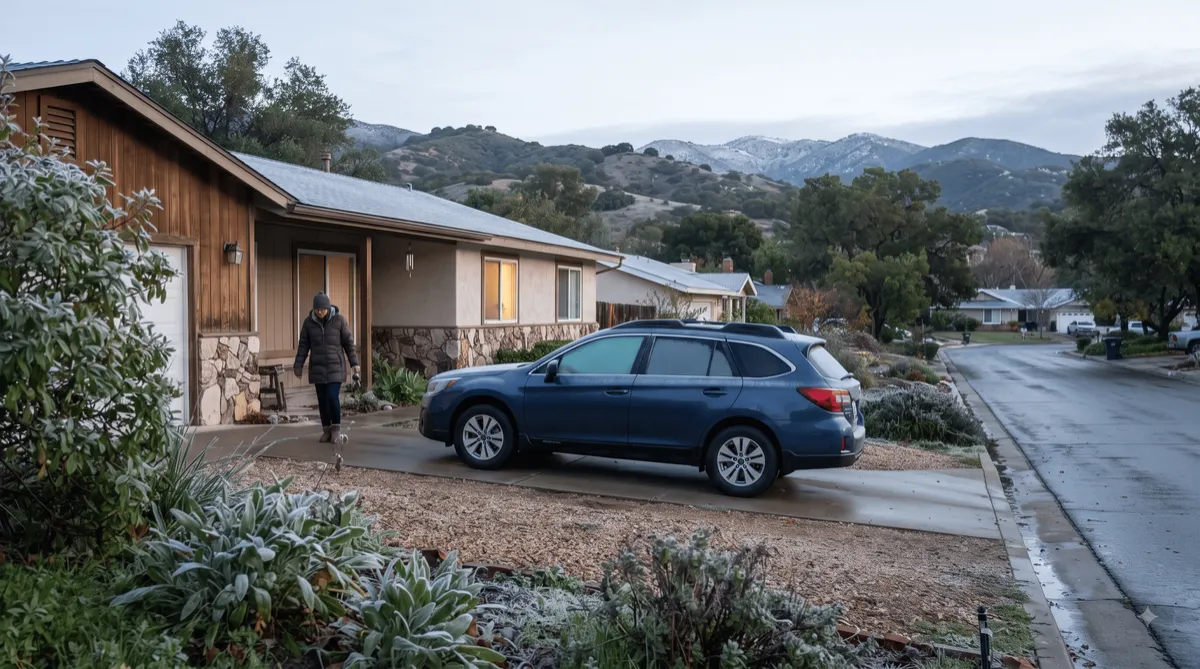
If you're coming from Point Loma, Pacific Beach, Mission Valley, or La Jolla, you'll probably notice it within the first week or two. The mornings are colder. Frost shows up on windshields. Rain feels like a real event instead of a passing sprinkle. And every so often, Alpine even gets a dusting of snow.
For a lot of people, that's the appeal.
I'm Jacob Menath, a real estate agent with the Menath Real Estate Team here in Alpine, and I help buyers and sellers across Alpine and East County San Diego think through the lifestyle side of a move, not just the paperwork. Winter comes up more than you'd expect, usually from someone who loves San Diego but quietly wonders what they're giving up by heading inland and uphill. So let's talk about it honestly.
The short answer
Winter in Alpine is cooler and more seasonal than the coast, but still mild compared to most of the country.
Here's what that looks like in practice:
Cooler temperatures than coastal San Diego, especially in the mornings
Frost is common on cold nights
More rainfall than many coastal neighborhoods
Snow is rare, but not impossible
Plenty of clear, sunny, pleasant days between storms
So if you're picturing shoveling your driveway or trading sandals for snow boots, you can relax. And if you've been hoping for a little more of a season than the coast gives you, Alpine tends to deliver.
Why Alpine feels different from the coast
Two things, really: elevation and distance from the water.
Alpine sits in the foothills east of the city, well above sea level and a good drive inland. That combination changes the weather more than people expect. The ocean keeps coastal San Diego steady and temperate all year. Move away from that influence and gain some elevation, and the daily swings get bigger.
A 15-degree difference between Alpine and the coast on a winter morning isn't unusual.
You feel it most at the edges of the day. The coast might be sitting in the upper 50s while Alpine is closer to freezing at sunrise. By afternoon, things often even out and the sun does its job. But that morning gap is real, and it's a big part of why Alpine feels like its own climate.
What the temperatures are actually like
I'll keep this practical instead of turning it into a forecast.
Winter days in Alpine are often sunny and comfortable, the kind of weather where a light jacket is plenty by midday. Then the sun drops and so does the temperature, sometimes quickly. Evenings get cool, and overnight lows can dip to or below freezing on the colder nights.
Frost is a regular part of the picture. If you've never had to scrape a windshield in San Diego before, you might be doing it a few mornings a month here in the heart of winter. It's not constant, but it's common enough that locals just keep an ice scraper in the car and don't think much of it.
None of this is extreme. It's just more noticeable than what you get ten or fifteen miles closer to the water. If you want a closer look at the numbers, I cover that in How Cold Does It Get in Alpine?.
Does it ever snow in Alpine?
Once in a while, yes.
Snow isn't part of everyday winter life in Alpine, but it's enough of a possibility that longtime residents all seem to have a story about it. Usually it's light, it sticks to the higher spots and the hilltops, and it's gone by lunch. Every few years there's a bigger one that coats the yards and gets everyone outside taking photos.
Elevation matters a lot here. The higher parts of Alpine and the areas just east toward the mountains tend to see snow more readily than the lower pockets. So two neighbors a few hundred feet apart in elevation can have completely different mornings.
If snow is something you're curious about, it's worth knowing it shows up as a treat here, not a chore. (If you want the longer version, I dug into it in Has It Ever Snowed in Alpine?.)
What winter feels like day to day
This is the part that's hard to capture in a temperature chart.
A typical winter day in Alpine starts cold and still. There might be frost on the grass and fog sitting low in the valleys while the ridges are already catching sun. You make coffee, you wait a bit, and by mid-morning it's turned into a bright, clear, genuinely pleasant day.
Some mornings you'll drive through a pocket of fog near one part of town and be in bright sunshine a few minutes later. It's one of those small things you stop noticing after a while, but it tells you a lot about how local the weather really is here.
People actually use their fireplaces here. Not for decoration. On a cold evening it becomes the natural gathering spot, and the smell of woodsmoke in a neighborhood is just part of January.
The skies are a big one too. Winter tends to bring some of the clearest air and best views of the year, especially after a storm rolls through and cleans everything out. You get long, sharp lines on the hills and sunsets that feel earned.
It's a slower, cozier version of San Diego. Same sun, just with seasons attached.
What surprises people moving from the coast
A lot of buyers come in assuming San Diego County has one climate.
Then they spend a winter in Alpine.
The biggest surprise usually isn't that it gets colder. It's how much more seasonal life feels. The year has a rhythm here that the coast smooths over. There's a real winter, a real spring greening, a hot stretch in summer, and a clear turn in the fall. People who didn't think they cared about that often find they really do.
The second surprise is how personal the weather gets. Your exact spot matters. Elevation, which way the property faces, whether you're in a valley that holds fog or up on a rise that catches sun, all of it shapes your day. It's one of those things I always bring up when someone's comparing two homes that look similar on paper.
A quick story
A few years back I worked with a couple moving up from Point Loma. They loved the idea of more space and a quieter setting, but they were nervous about the cold. One of them said, almost apologetically, that they "weren't really winter people."
They bought a place with a fireplace they figured they'd never use.
I ran into them the following winter, and one of them told me the fireplace had quietly become the favorite part of the house. Cold mornings on the patio with coffee, a fire in the evening, actual seasons after years of weather that barely changed. The thing they'd worried about turned into the thing they talked about most.
That's not unusual. The fear of "colder weather" is almost always bigger than the reality of it. They had spent months worrying about what they might lose by leaving the coast, and almost no time thinking about what they might gain.
What there is to do in winter
Winter doesn't slow life down here much.
The cooler, clearer weather is honestly some of the best hiking and trail running of the year, since you're not fighting summer heat. The local trails and open space around East County stay busy. Community events keep going. And when snow does fall in the higher mountains nearby, plenty of people make the short drive up to see it, then come home to a milder evening.
It's an easy place to stay active through the winter, which isn't something everyone expects. There's more on that in What Outdoor Activities Are Available in Alpine?.
Who tends to love Alpine winters
In my experience, a few kinds of people light up once they get here.
Former coastal residents who quietly missed having seasons. Outdoor folks who'd rather hike in 55 degrees than 95. Anyone who likes a cool, crisp morning and a warm afternoon in the same day. And people who simply enjoy a little variety in the year instead of the same forecast on repeat.
If any of that sounds like you, Alpine winters tend to be a pleasant surprise rather than a sacrifice.
A few common misconceptions
"Alpine has harsh winters." It doesn't. It's cooler and more seasonal, but mild by almost any national standard. Freezing nights, sure. Brutal winters, no.
"It snows all the time." It doesn't. Snow is occasional and usually light. Most winters you'll see frost far more often than flakes.
"Winter shuts down outdoor life." The opposite, really. The cooler months are some of the most comfortable for being outside.
"It's basically the same as the coast." This is the one that catches people. It's noticeably different, mostly in the mornings and evenings and in how much rain you get.
"You'll need snow gear and chains." For everyday life in town, no. If you're heading up to the mountains on a snowy weekend, that's a different trip with different rules, but your driveway usually isn't part of it.
Frequently asked questions
What's winter like in Alpine? Cooler and more seasonal than coastal San Diego, with cold mornings, common frost, more rain, occasional light snow, and a lot of clear, sunny days in between.
How cold does Alpine get? Cold enough for frost and freezing overnight lows on the colder nights, with afternoons that often warm up nicely. Specifics vary year to year and even spot to spot.
Does Alpine get frost? Yes, regularly through the heart of winter. An ice scraper in the car is a reasonable thing to own here.
Does Alpine get snow? Occasionally. It's usually light and short-lived, and the higher elevations see it more often than the lower areas.
Is Alpine colder than San Diego? Generally yes, especially in the mornings, thanks to its elevation and inland location. A 15-degree morning gap with the coast isn't unusual.
Does it freeze in Alpine? On cold nights, yes. Freezing temperatures overnight are a normal part of winter here.
What month is coldest in Alpine? The deepest cold usually lands somewhere in the December through February stretch, with the exact timing shifting year to year.
Why do people enjoy Alpine winters? Because they get real seasons while staying in San Diego County. Cool mornings, sunny afternoons, the occasional fireplace night, and a genuine change in the landscape.
Is winter one of the best times of year to live in Alpine? For many residents, yes. The combination of cooler temperatures, green hills after rain, comfortable outdoor weather, and occasional frost gives Alpine a character that's very different from summer.
The bottom line
Winter in Alpine offers something a lot of people don't expect to find in San Diego County: a genuine sense of season.
The temperatures are cooler, the mornings are crisper, and the landscape changes more noticeably than it does near the coast. For some buyers, that's a surprise at first. For many residents, it's one of the reasons they love living here.
That's part of what makes Alpine unique. You get a real sense of seasonal change without dealing with the kind of winter many people associate with colder parts of the country.
If you're weighing a move to Alpine and wondering whether the climate fits the life you're picturing, that's exactly the kind of thing worth talking through before you decide. It's usually a smaller hurdle than people fear, and often a real draw. Winter is just one piece of it, and if you're thinking about the bigger picture, Is Alpine a Good Place to Live? is a good next read.
Jacob Menath is a real estate agent with Menath Real Estate Team in Alpine, California, helping buyers and sellers throughout Alpine and East County San Diego navigate major lifestyle transitions.
Menath Real Estate Team | Alpine, CA | Serving San Diego County



