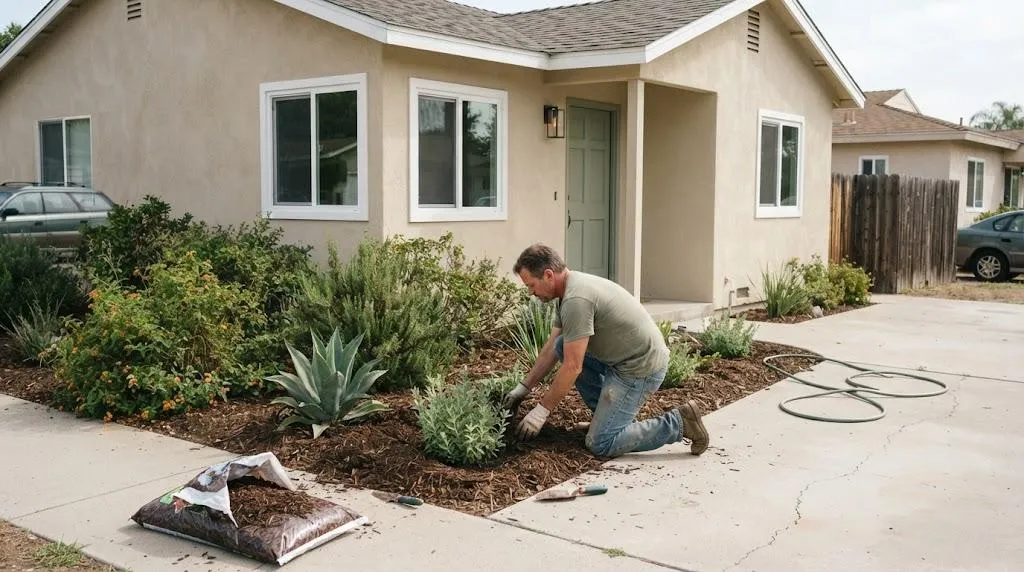
What Is Sweat Equity in San Diego Real Estate?
What Is Sweat Equity and How Does It Build Wealth Through Real Estate in San Diego?
By Jacob Menath
Real Estate Agent in Alpine, CA | Menath Real Estate Team
Helping San Diego buyers make smart long-term real estate decisions
In this guide:
What sweat equity actually means
How homeowners create value over time
Why ugly homes sometimes create opportunity
What improvements usually matter most
Why location still matters more than finishes
Common mistakes homeowners make
When renovations backfire
Why patience matters
Most people assume homeowners build wealth in real estate through perfect timing, strong appreciation, or buying in just the right neighborhood at just the right moment.
For a lot of homeowners in San Diego, the story is simpler than that.
They bought a house that needed work. Then over years, sometimes decades, they improved it. Room by room. Project by project. Often without ever calling it a strategy.
That slow, quiet process has a name in real estate. People call it sweat equity. The term sounds technical, but the idea is straightforward: improving a property over time in ways that increase its value.
What Is Sweat Equity?
Sweat equity is the value a homeowner creates by improving, maintaining, or upgrading a property through their own effort, time, or thoughtful improvements.
That can look like a lot of different things:
Cosmetic updates like paint and flooring
Renovations to kitchens or bathrooms
Landscaping and curb appeal
Routine maintenance that protects the structure
Improving how the home functions day to day
Modernizing spaces that feel dated
In San Diego, plenty of homeowners gradually improved their financial position by buying homes with potential and working on them thoughtfully over the years they lived there. It wasn't flashy. It wasn't fast. But the equity that built up was real.
Why Sweat Equity Matters in an Expensive Market
San Diego isn't a cheap place to own a home. That's not a secret to anyone reading this. Turnkey homes, the ones that are move-in ready with everything already updated, often command serious premiums. Buyers see the staged kitchen, the new flooring, the fresh paint, and they're willing to pay extra for the comfort of not having to do anything themselves.
That premium creates an opportunity for buyers who are willing to look at homes that haven't been updated.
A lot of buyers can't afford the finished version of a home. But they may be able to afford the unfinished one.
That gap, the price difference between a dated home and a fully updated one in the same neighborhood, is where sweat equity opportunity often lives.
Buyers Often Overpay for Turnkey Homes
There's a real psychological pull to a beautifully staged listing. The HGTV effect is real. White kitchens, neutral paint, and good lighting do something to buyers' brains. People often pay more for cosmetic perfection than the cost of the materials and labor would suggest.
That dynamic can drive bidding wars on homes that aren't necessarily better. They're just nicer to look at on day one.
If you're a homeowner thinking about selling, this works in your favor when you've done some thoughtful preparation. If you're a buyer or current owner thinking about improvements, it's worth knowing that cosmetic appeal often has an outsized emotional value compared to its actual cost.
What Types of Improvements Usually Add Value
Not every project pays off the way people expect. Some improvements consistently move the needle. Others mostly cost money without adding much.
The improvements that tend to deliver the most value are usually the simpler ones:
Paint, inside and out
Flooring
Landscaping and curb appeal
Kitchen updates
Bathroom updates
Lighting and fixtures
Improving layout functionality
Addressing deferred maintenance
Notice what isn't on that list. Luxury custom built-ins. High-end appliances that the next buyer might not appreciate. Pools in neighborhoods where most homes don't have them. Trendy finishes that will look dated in three years.
Simple, functional improvements often outperform expensive luxury upgrades, especially when you look at what you actually get back for what you spent.
Small Improvements Compound Over Time
Most homeowners who built meaningful sweat equity didn't do it through one massive remodel. They did it gradually.
A new water heater one year. Paint and flooring the next. A bathroom refresh after that. New windows when the budget allowed. Landscaping that improved over a few seasons.
A lot of meaningful sweat equity gets built one project at a time. The compounding effect is what makes the whole thing work.
Cosmetic Problems vs Structural Problems
This is where realism really matters. Not every project is a smart project, and not every dated home is actually a good opportunity.
The difference between a smart opportunity and a financial headache often comes down to what kind of problems the property actually has.
Cosmetic problems are usually manageable:
Paint
Flooring
Fixtures
Landscaping
Outdated kitchens or bathrooms
Curb appeal
Structural and system-level problems are a different category:
Foundation issues
Major roof problems
Drainage concerns
Electrical that needs a full rewire
Plumbing failures
Septic system failures
Slope instability
Major water intrusion
An outdated home can create real opportunity. A structurally compromised home can create financial stress very quickly.
This matters whether you're considering a fixer-upper or thinking about how to handle issues in a home you already own. A good inspection, an honest contractor, and a clear-eyed look at the actual scope of work will usually tell you which category you're in.
Why Location Still Matters More Than Renovations
This is one of those things experienced homeowners and agents repeat a lot, but it bears repeating again.
You can improve a house over time. You cannot relocate the property.
A perfectly renovated home in a tough location is still in a tough location. A dated home in a desirable neighborhood often has more long-term potential than a beautiful home somewhere less established.
The things that don't really change much when you own a home include:
Neighborhood character
School zone boundaries
Commute access
Lot quality and topography
Proximity to amenities
Long-term desirability
Communities across East County like Alpine, Lakeside, Santee, La Mesa, El Cajon, and Jamul each have their own personality and their own kinds of buyers. Understanding those differences usually matters more than picking the right paint color.
Why Sweat Equity Often Builds Slowly
If you've watched home improvement shows, you've probably seen complete renovations happen in what looks like a long weekend. That isn't how it works in real life.
Real renovations take longer than the timeline suggests. They cost more than the budget allowed for. They run into surprises behind walls. Permits take time. Contractors get backed up. Materials get delayed.
Most homeowners who built meaningful sweat equity didn't do it through one massive remodel. They did it gradually over years of ownership.
That isn't a flaw in the strategy. That is the strategy.
The Internet Distorts Renovation Expectations
Social media and home improvement television have created some unrealistic expectations. Before-and-after photos compress months of work into a 30-second video. Costs get understated. Hidden problems get edited out. Timelines look impossibly clean.
Real renovations are usually slower, messier, and more expensive than online content suggests. Knowing that going in makes the whole experience a lot less stressful.
What Homeowners Often Get Wrong About Renovations
Working with homeowners over the years, certain patterns come up again and again. Good people, good intentions, decisions that don't end up paying off the way they hoped.
The most common ones include:
Over-improving for the neighborhood
Choosing emotional upgrades that don't translate to value
Pursuing projects with poor return on investment
Setting unrealistic budgets
Taking on work beyond their skill level
Underestimating how long things will take
The goal isn't creating the fanciest house on the street. The goal is creating smart value.
Not Every Dollar Spent Creates Equal Value
Money spent on a renovation doesn't translate one-to-one into added home value. Some projects return most of their cost. Some return more. And some return almost nothing.
Luxury customization tends to underperform. Trendy finishes age fast. Over-personalization can actually limit your buyer pool when it's time to sell. And every neighborhood has a kind of ceiling, an upper limit on what homes in that area realistically sell for, no matter how much you put in.
If you're putting $80,000 of upgrades into a neighborhood where the top-selling homes cap out at a level that doesn't justify that spend, you're not building equity. You're spending money.
What East County Homeowners and Buyers Should Understand
East County properties often come with considerations that suburban tract homes don't. Acreage. Septic systems. Wells. Wildfire considerations and the insurance questions that come with them. Older construction. Sometimes unpermitted additions going back decades.
These aren't reasons to avoid the area. A lot of people love East County specifically because of the space, the privacy, and the lifestyle. But the maintenance reality is different out here, and the improvement strategies that work in a suburban Santee neighborhood won't always make sense for a property in Jamul or rural Alpine.
If you own or are thinking about buying a property out this way, understanding the infrastructure matters. A septic system needs to be inspected and pumped on a schedule. Wells have their own maintenance and water testing needs. Brush management is an ongoing responsibility, not just for fire safety but increasingly for insurance.
Deferred Maintenance Matters
This is where a lot of equity gets quietly lost. Not through bad renovations. Through neglect.
A roof that leaks for two winters before it gets fixed. Drainage problems that erode a hillside. Brush that hasn't been cleared in years. Retaining walls that are starting to lean. Each of those creates compounding problems that cost more to fix later than they would have cost to address earlier.
Sometimes preserving value matters just as much as adding value. That's especially true on rural and semi-rural properties where the maintenance load is higher to begin with.
What Smart Homeowners and Buyers Focus On Instead
Looking at the homeowners who have built real, lasting equity over the years, certain patterns show up.
They tend to focus on:
Location fundamentals
Manageable projects with clear returns
Sustainable ownership costs
Realistic renovation scope
Long-term ownership potential
Functional improvements that affect how the home actually lives
Keeping financial reserves intact
What they generally don't do:
Chase luxury finishes that don't fit the neighborhood
Follow social media trends into expensive customizations
Make emotional upgrades and assume they'll pay off
Treat their home like a flipping show
The less dramatic path usually wins.
Common Sweat Equity Mistakes
A short list of patterns worth knowing about:
Over-improving for the neighborhood. Putting the most expensive kitchen on the block into a modest home rarely returns the investment.
Underestimating renovation costs. Real budgets often run 20 to 30 percent over the initial estimate. Sometimes more on older homes.
Ignoring structural issues. Cosmetic upgrades on a home with foundation or drainage problems can be money thrown at the wrong thing.
Taking on projects beyond skill level. DIY can save money. It can also create expensive fixes when something goes wrong.
Draining reserves for renovations. Homeowners who spend their cushion on upgrades often regret it the first time something unexpected happens.
Chasing trends instead of functionality. What's hot now will probably look dated in five years.
Buying emotionally instead of strategically. Falling in love with a house can lead to overpaying or overlooking real problems.
Expecting fast financial returns. Sweat equity is rarely a short-term play.
Why Real Estate Wealth Usually Builds Gradually
When you look at the people who have built meaningful equity in San Diego real estate, a pattern shows up. It's almost never one big move. It's a series of small, consistent decisions made over years.
Buying a home they could actually afford. Improving it slowly. Maintaining it well. Staying through ups and downs in the market. Making thoughtful upgrades when budget allowed. And not panicking when things got volatile.
A lot of homeowners built meaningful wealth through dozens of small decisions made consistently over time.
That isn't the exciting version of the story. But it's the one that actually works for most people.
Frequently Asked Questions
What is sweat equity in real estate?
Sweat equity is the value created in a property through improvements, maintenance, and upgrades a homeowner contributes over time, whether through their own labor or by managing thoughtful renovations.
Does renovating a home increase equity?
It can, but not automatically. Renovations that align with neighborhood expectations and add real functionality tend to add value. Over-improvements, trendy finishes, and luxury customizations often don't return what they cost.
What renovations add the most value?
Generally, kitchens, bathrooms, paint, flooring, lighting, landscaping, and addressing deferred maintenance. Simple, functional improvements often outperform expensive luxury upgrades.
Should buyers purchase homes that need work?
For some buyers, yes. Homes that need cosmetic updates often sell at a discount compared to fully renovated homes nearby. The key is being realistic about scope, budget, and timeline before committing.
Are fixer-uppers worth it in San Diego?
They can be, especially in markets where turnkey premiums are high. The math depends on what kind of work is needed. Cosmetic projects usually make more sense than major structural overhauls for most buyers.
What renovation mistakes should homeowners avoid?
Over-improving for the neighborhood, draining reserves, ignoring structural issues, chasing trends, and underestimating timelines are the most common ones.
How long does it take to build sweat equity?
Usually years, not months. Most meaningful equity gets built gradually through a combination of improvements, maintenance, and market appreciation over an extended ownership period.
Thinking Through Your Own Situation
If you're trying to figure out whether a home with potential makes sense for you, what improvements might actually add value to a property you already own, or how to think realistically about renovation projects before listing, those are exactly the kinds of conversations worth having with someone who works in your specific market.
Jacob and Kristin Menath help homeowners across San Diego County think through those decisions clearly, realistically, and without pressure.
About Jacob and Kristin Menath
Jacob and Kristin Menath are real estate professionals based in Alpine, CA serving buyers and homeowners throughout San Diego County, including East County communities like Alpine, Lakeside, Santee, El Cajon, Jamul, and La Mesa.
They work with first-time buyers, move-up buyers, downsizing homeowners, and families making long-term ownership decisions. Their approach focuses on practical guidance, thoughtful strategy, and helping clients make confident real estate decisions that support their future.
Jacob Menath is a real estate agent in Alpine, CA serving San Diego County, helping homeowners make informed, confident decisions when selling their home and navigating major life transitions.
Menath Real Estate Team | Alpine, CA | Serving San Diego County