How Can I Increase My Home's Value Before Selling in Alpine, CA?
How Can I Increase My Home's Value Before Selling in Alpine, CA?
By Jacob Menath
A lot of Alpine homeowners assume they need a major remodel before they list. Most don't.
If you want the short version, here it is. The improvements that tend to help the most before selling are usually the least glamorous ones. A home that's clean, well maintained, and presented thoughtfully often does more for your final number than a brand new kitchen. The bigger win comes from understanding what East County buyers actually want, which is rarely countertops and almost always space, privacy, and lifestyle, and then putting your time and money there.
I'm Jacob Menath with Menath Real Estate Team in Alpine, California, and I help homeowners throughout Alpine and East County San Diego prepare, market, and sell their homes. One of the first questions I hear when someone's thinking about selling is some version of this: "What should I fix, and what should I leave alone?"
The honest answer depends on your home, your buyer, and your budget. But there's a pattern I see over and over, and understanding it early can save you real money and a lot of stress.
Let me walk you through how I think about it.
Quick Answer: What Increases Home Value Most Before Selling in Alpine?
The improvements that tend to help most before selling in Alpine are:
Curb appeal and a tidy approach to the property
Fresh, neutral interior paint
Handling deferred maintenance
Deep cleaning and decluttering, including garages and outbuildings
Showcasing usable acreage, fencing, and outdoor features
In most cases the bigger win isn't a remodel. It's presenting a clean, well maintained home so buyers can clearly see the space, privacy, and lifestyle they came to Alpine for. Plenty of sellers get a stronger result from a few thousand dollars spent on presentation than from a large renovation done right before listing.
The Mistake That Costs Sellers the Most
Here's the part that's uncomfortable to hear.
You can spend a lot of money on your home and not get it back.
It happens more than people expect. A seller decides the kitchen needs a full redo, drops a serious amount on cabinets and countertops, and then the home sells for about what it would have anyway. The work wasn't wrong. It just didn't move the price the way they hoped, because buyers were already comparing it to every other home in the area.
The three things that quietly drain money before a sale are usually these. Spending where buyers don't care. Over improving past what the neighborhood supports. And following generic advice written for a national audience that has nothing to do with how homes sell out here.
A simple example. A 75,000 dollar kitchen remodel may not return 75,000 dollars when you sell. But a few thousand spent on paint, cleanup, and presentation can change how a buyer feels the moment they walk in. Perception shifts fast, and perception is a big part of price.
The Three Questions I Ask Before Recommending Any Improvement
Before I tell a seller to spend a single dollar, I run the idea through three quick questions.
Will buyers notice it?
Will buyers pay more for it?
Will it help the home sell faster?
If the answer to all three is no, that's usually money you don't need to spend. If it's yes to even one, it's worth a closer look. It sounds simple, and that's the point. Most overspending happens because nobody stopped to ask those questions before the work started.
Here's what it looks like when those questions don't get asked.
A Real Example From an Alpine Seller
One seller we worked with had already spent nearly 60,000 dollars on a full bathroom remodel before she reached out to us.
The bathroom looked great. That wasn't the problem.
The problem was that the decision had been made without first looking at what buyers in the area were actually paying for, what comparable homes were selling for, and which improvements were most likely to affect the final sale price.
After walking the property and reviewing the market, it became clear she was unlikely to recover the full cost of the remodel through the sale alone.
The hard part wasn't the renovation itself. It was that the money had already been spent. At that point the goal shifted from trying to recover the cost of the remodel to building as much buyer demand as possible for the property as it actually was.
We were still able to build a strong strategy around the property. We focused on presentation, pricing, marketing, and showcasing the features buyers were actually looking for, and the home sold successfully with the seller happy at the end of it.
But the experience reinforced something I tell homeowners all the time. Talk to a local real estate professional before you start spending money.
Not because every project is a bad idea. Sometimes improvements absolutely make sense. The key is knowing which projects are likely to produce a return, which ones simply make a home easier to sell, and which are unlikely to move the needle at all.
A short conversation before the work begins can save thousands of dollars, months of stress, and a lot of unnecessary guesswork.
Because our team regularly evaluates renovations, construction costs, buyer behavior, and comparable sales throughout Alpine and East County, we're often able to identify improvements that provide a stronger return with significantly less investment.
Think Like an Alpine Buyer
People don't move to Alpine for countertops.
They move here for space. Larger lots, privacy, room to breathe, mountain views, a place for the RV and the projects. Buyers relocating from Santee, La Mesa, Chula Vista, or coastal San Diego are often looking for bigger lots in the rural neighborhoods around Palo Verde Ranch, Japatul Valley, and the areas off Tavern Road and South Grade Road. Some want horse property. Some want a workshop. Some just want to stop hearing their neighbors.
They're buying freedom and a way of living, not finishes. A weekend morning with the dogs running the property, open space like Wright's Field nearby, Viejas and the conveniences along Alpine Boulevard a short drive away, and quiet at the end of it. That's the picture in their head.
That matters because it changes what's worth investing in.
When a buyer is imagining that lifestyle, a slightly dated bathroom isn't what kills the deal. What slows things down is a property that feels neglected, hard to picture living in, or full of question marks. If you understand what brought the buyer to Alpine in the first place, you can spend your prep budget on the things that support that vision instead of fighting it.
That's the lens I'd keep in mind for everything below.
Home Improvements That Increase Value Before Selling in Alpine
These are the areas where modest spending usually does the most work. None of them are flashy. That's kind of the point.
Start with curb appeal
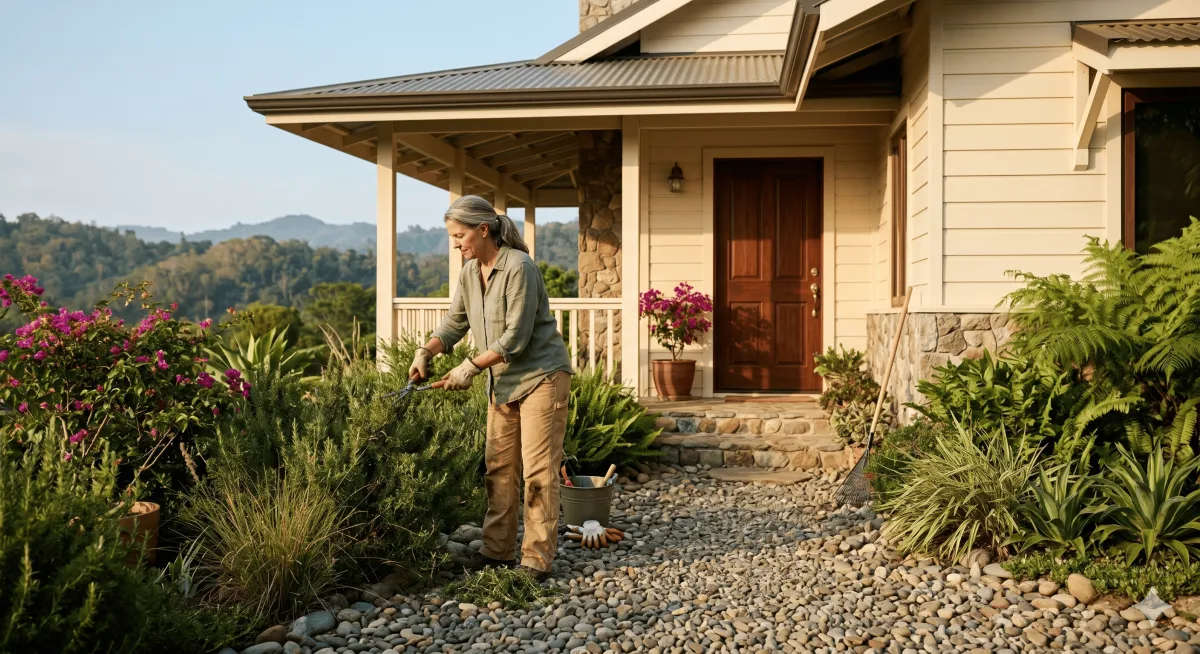
Buyers begin forming an opinion before they're out of the car. Out here that means the driveway, the gravel or decomposed granite, the entry, and the landscaping. Trimming trees, clearing overgrowth, refreshing the gravel, and tidying the front of the property can shift the whole first impression.
Paint does a lot of quiet work
Fresh, neutral interior paint is one of the better dollar for dollar moves a seller can make. It brightens dark rooms, covers normal wear, and makes spaces feel cared for. When a buyer sees scuffed walls and chipped trim, they often imagine a longer repair list than actually exists. Clean paint shrinks that list in their head.
Deep cleaning and decluttering
This one's free or close to it, and it's underrated. I mean the house, but in Alpine I also mean the garage, the workshop, the shed, and any outbuildings. Buyers here care about usable space and storage, so a packed, dusty garage works against you. Empty, clean, and organized lets them picture their own gear in there.
Lighting
Swapping outdated fixtures and adding brighter LED lighting is a small upgrade with a real visual payoff. Good exterior lighting helps too, especially on properties with some acreage where the approach to the home matters.
Handle the deferred maintenance
This is the big one, and it's where a lot of sellers underestimate the impact. Leaky faucets, a broken gate, sagging fencing, dry rot, a roof that's clearly seen better days, an HVAC system nobody's serviced in years. Individually these feel minor. Stacked together, they make a buyer nervous.
Here's why that matters. When a buyer sees five small unaddressed issues, they don't just add up the repairs. They start wondering what else hasn't been handled. That worry can show up in a lower offer or a tougher inspection negotiation later. Knocking out the small stuff ahead of time keeps the focus on the home's strengths.
Can Defensible Space Affect Home Value?
I'll be careful with how I put this, because nobody can promise what an insurer or a buyer will do. But in our foothill communities, defensible space is something buyers pay close attention to, and it's worth understanding before you list.
Many people relocating to Alpine, especially from areas where wildfire wasn't part of the conversation, come in with questions about brush clearance and fire safety. A property with maintained defensible space and a cared-for landscape tends to read as lower worry. They can see it's been looked after, and that confidence carries into how they feel about the whole home.
There's a practical side too. Wildfire insurance and insurability are some of the most common questions buyers ask out here, and they're a topic worth its own conversation. Buyers and their lenders often factor insurability into the picture in fire-prone areas, and it has been a real concern across California foothill communities in recent years. A home that presents well in this regard can be one less thing for a cautious buyer to hesitate over.
I want to be clear about the limits here. Maintaining defensible space is a normal, ongoing responsibility on properties in areas like ours, separate from selling. And anything specific about coverage, cost, or fire code belongs with the relevant local agency or a licensed insurance professional, not with guesswork. My point is narrower. Good clearance and presentation mostly work by removing a worry that can otherwise slow a sale.
A Quick Word on Solar
Solar comes up constantly in Alpine, and it can absolutely be a selling point. It can also create confusion that works against you if it isn't sorted out before you list.
The key distinction is owned versus leased. Owned solar is generally simpler and tends to be viewed as a benefit. Leased systems or those tied to a financing agreement bring in transfer terms, monthly payments, and paperwork that a buyer and their lender will want to understand.
Whatever your situation, get your documentation together early. Know what you have, what transfers, and what the terms are. Clarity helps. Surprises during escrow rarely do.
If you want to go deeper on this, I've written a full piece on selling a home with solar panels.
Horse Property, Acreage, and Rural Homes
If you've got land, this section's for you.
On semi-rural and acreage properties, a lot of the value isn't inside the house at all. Functional fencing, usable acreage, working horse facilities, RV parking, a detached shop, an ADU, real views. These are the features that often separate one Alpine listing from another, and they're frequently what a buyer is really paying for.
So the question I'd ask isn't always "what should I build?" More often it's "what already exists here that we haven't shown off?"
Highlighting existing value tends to be smarter than creating new value right before a sale. If the fencing is solid, make sure it's visible and clean. If the shop is a selling feature, clear it out so a buyer can see the potential. If the acreage is usable, don't let it hide behind overgrowth.
There's also a set of rural realities buyers will ask about, and having answers ready makes the whole process smoother. Septic system condition and service records. Well water, if you're on a well, including recent testing and pump condition. Propane. Road access and any shared road or easement situations, which come up often on properties out toward Harbison Canyon, Peutz Valley, and the more remote stretches of Japatul Valley. These don't have to be problems, but unknowns make buyers uneasy. Documented and maintained reads as confidence.
How Alpine Buyers Think Differently Than Buyers in Santee or La Mesa
A home closer in, in Santee or La Mesa, and a home in Alpine tend to draw buyers with different priorities. That difference should shape what you fix.
Buyers focused on those closer-in East County areas are often weighing things like a shorter commute, proximity to shopping and services, and a lower-maintenance lot. Move a little further east into Alpine and the priorities shift. Now it's land, privacy, views, a workshop or detached shop, room for horses, and space to store the RV and the toys. The home still matters, but the property as a whole carries more of the decision.
That's why prep advice that works for a tract home closer to the freeway can miss the mark out here. In Alpine, a usable lot and functional outbuildings can matter more to your sale than a designer kitchen. Buyers are weighing the commute, the road access, the privacy, the views, how usable the land really is, and what the place could become over time.
It comes back to the same idea. Alpine buyers aren't really buying upgrades. They're buying space, privacy, views, and a way of life that's harder to find closer to the city. The more clearly your home and your land show that, the stronger your position.
The Renovations That Often Don't Pay Off
Now for the spending I'd think twice about right before a sale.
Be careful pouring big money into full kitchen remodels, luxury bathroom builds, expensive flooring replacements, and highly custom upgrades. Not because they're bad, but because of something called the neighborhood ceiling.
Every home competes with other homes in its area. No matter how much you spend, your property still has to sit next to comparable Alpine listings in a buyer's mind. If you over improve well past what the surrounding homes support, the extra money tends to disappear rather than come back at the closing table.
That doesn't mean never renovate. It means match the investment to the market and to your timeline. A targeted update that brings a tired space up to expectations is very different from a top to bottom luxury remodel done weeks before listing.
When a seller tells me they're about to spend big, the first thing we do is look at what similar homes have actually sold for and where the realistic ceiling sits. Sometimes the remodel makes sense. Often a smaller, smarter plan gets a stronger result for a fraction of the cost.
Common Mistakes Sellers Make Before Listing
A few patterns I'd watch out for.
Renovating without a plan. Spending starts before anyone's looked at comparable sales or thought about the buyer. This is where money gets lost.
Ignoring first impressions. Pouring effort into a back bedroom while the driveway, entry, and front of the property look tired. Buyers judge from the curb.
Waiting until the last minute. Some of the most useful prep, like septic service, brush clearance, paint, and small repairs, takes time. Starting early gives you options. Scrambling limits them.
Trusting national advice over local data. A blog written for buyers in a dense suburb somewhere else doesn't understand acreage, septic, wells, defensible space, or what an East County buyer is looking for. Local context changes the answer.
Frequently Asked Questions
What improvements add the most value before selling a home in Alpine, CA? Usually the unglamorous ones. Curb appeal, fresh neutral paint, deep cleaning and decluttering, updated lighting, and handling deferred maintenance. On rural properties, showcasing usable land, fencing, and outbuildings often matters more than interior upgrades.
Should I remodel my kitchen before selling? Not automatically. A full remodel right before listing frequently doesn't return what it costs, especially if it pushes past the neighborhood ceiling. A targeted refresh can make sense. The smart move is to compare it against recent sales before deciding.
Should I talk to a real estate agent before remodeling my home to sell? In most cases, yes. A local agent can help you figure out which improvements are likely to improve buyer perception, add value, or help the home sell faster. Spending money without a plan is one of the most common mistakes sellers make.
Does acreage increase home value in Alpine, CA? Usable acreage is often one of the most valued features in Alpine, since many buyers come here specifically for land, privacy, and room for things like horses, RVs, or a shop. That said, more acreage doesn't automatically mean more value. Usability, access, and how well the land is presented tend to matter as much as the raw size.
Should I clear brush before selling a home in Alpine? In most cases, yes. Maintained brush clearance and defensible space is a normal responsibility in our foothill areas, and it tends to give buyers more confidence about a property while helping it present as well cared for. For anything specific to insurance or fire code, check with the relevant local agency or a licensed professional.
Is solar a selling point in Alpine? It can be. Owned solar is generally viewed as a benefit, while leased or financed systems come with transfer terms a buyer and lender will want to understand. Either way, getting the documentation organized before you list helps avoid confusion later.
How much should I spend preparing my home for sale? There's no single number, and it varies with the home and the market. The better question is where to spend, not how much. Money aimed at presentation, cleanliness, and obvious repairs tends to go further than large custom upgrades.
What repairs should I make before listing? Focus on the visible, nagging items that make a buyer wonder about the rest of the home. Leaky faucets, broken gates, sagging fencing, dry rot, and obvious roof or HVAC concerns. On rural properties, service the septic and have well documentation ready if it applies.
What home improvements should I avoid before selling? Expensive renovations with uncertain return, like luxury bathrooms, highly custom finishes, or major remodels finished shortly before listing. Before you spend, compare the likely cost to what similar homes have actually sold for in Alpine and East County.
Do buyers care more about upgrades or location? In Alpine, location and land usability carry a lot of weight. Many buyers come here for the lot, the privacy, and the lifestyle. A great property in good condition tends to beat a heavily upgraded home on a less desirable lot.
Alpine Seller Preparation Checklist
Before you list, it helps to run through a few simple questions:
Have I addressed the obvious maintenance issues?
Is the property clean and decluttered, inside and out?
Does the curb appeal create a strong first impression?
Are my septic, well, solar, and property records organized?
Am I highlighting the features buyers actually want, like usable acreage, privacy, views, a workshop, horse facilities, or RV parking?
Have I reviewed recent comparable sales before starting any major projects?
If you can answer yes to most of these, you're already ahead of a lot of homeowners getting ready to sell. The ones who run into trouble are usually the ones who skipped these questions and started spending first.
The Bottom Line
The goal was never to spend the most money.
It's to make the right improvements so a buyer can clearly see the value that's already in your home and your land. For most Alpine sellers, that's a thoughtful plan built around presentation, condition, and a realistic read of the local market, not a last minute renovation.
If you're starting to think about selling and you're not sure what's worth doing, that's exactly the conversation worth having before you spend a dollar. A short walk through the property usually makes the priorities clear.
Most sellers focus on the house. The buyers walking through it are usually focused on something bigger, the life they're picturing on the property. The homes that stand out in Alpine are usually the ones that make it easy for a buyer to picture the life they came here for.
Jacob Menath is a real estate agent with Menath Real Estate Team in Alpine, California, helping homeowners throughout Alpine and East County San Diego prepare, market, and sell homes while navigating major lifestyle transitions.
Menath Real Estate Team | Alpine, CA | Serving San Diego County