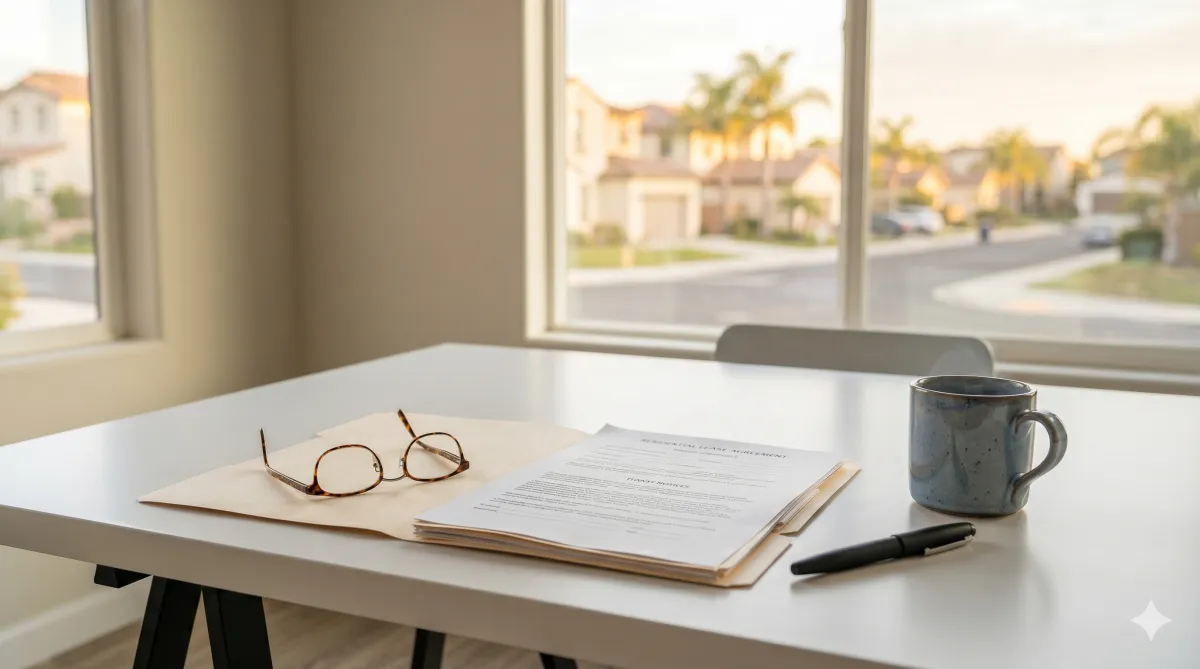
Selling a Home With Tenants in San Diego
Selling a Home With Tenants in San Diego: What Landlords Should Expect
By Jacob Menath
If you own a rental in San Diego County and you're thinking about selling, you've probably started running through the what-ifs. Will the tenants cooperate? Can buyers even see the place? What happens with the lease?
Here's the short version: you can sell a home with tenants living in it, and owners around here do it constantly. Tenant-occupied sales are common across San Diego County, from rentals and ADUs to homes that came with tenants attached. Plenty of these sellers are accidental landlords: families who inherited a home through probate and suddenly own a tenant-occupied property they never planned to manage. With strong rental demand and tight inventory, there's a buyer for almost any occupied property.
The biggest challenges when selling with tenants usually aren't legal. They're logistical, emotional, and communication-related. Local tenant protections and lease terms matter, but far more sales get bumpy because of unclear expectations or a conversation that should have happened weeks earlier and didn't.
I'm Jacob, and a good chunk of my work across San Diego County involves exactly these situations. Let me walk you through what to actually expect, the way I'd explain it sitting across the table from you.
A Vacant Home and an Occupied Home Operate Very Differently
The biggest mistake sellers make is assuming a tenant-occupied sale works exactly like a vacant home sale. On paper, a sale is a sale. In practice, an empty house and a lived-in house become very different experiences once the home is listed.
With a vacant home, you control almost everything. Lockbox goes on, showings happen on demand, you stage it how you want, and you keep it clean because nobody's living there. With a tenant in place, you're coordinating around someone else's schedule, furniture, and idea of "ready for company."
That shows up in a few ways. Scheduling gets trickier. Access can slow down. Cleanliness varies day to day in ways you don't control. There's a privacy element you have to respect. And buyers pick up on the emotional temperature of a home, even when nobody says a word.
None of that automatically stops a sale. I want to be clear about that. But it absolutely shapes the process, and going in aware of it is half the battle.
The Lease Changes the Conversation
The type of tenancy you're dealing with sets the tone for a lot of what follows. This comes up often with inherited tenant-occupied homes, which are common in San Diego County, especially for families managing probate or a major life transition who suddenly find themselves landlords without ever planning to be. Some inherited-property sellers discover the lease situation only after inheriting the home, which can completely change the sale strategy.
Month-to-Month Tenants
If your tenants are month-to-month, you generally have more flexibility built in. That doesn't mean you skip the planning or the communication. It just means your options tend to be wider, and timing can be easier to work around.
Long-Term Leases
If there's a longer-term lease in place, the conversation shifts. Buyer options can change depending on the lease terms.
An investor will often see that lease very differently than an owner-occupant who wants to move in. One sees income. The other sees a wait.
Why Timing Matters
Some owners wait until a lease naturally winds down before listing. Others sell with tenants in place and do just fine. There's no single right answer, because every situation is different. Lease terms vary, local rules vary, and your timeline matters as much as anything.
I'm not going to give you legal direction here, and honestly, you shouldn't take it from a blog post anyway. Review your specific lease carefully, understand your timeline, and loop in the right professionals before you make assumptions. That one habit prevents a lot of avoidable stress.
What Buyers Actually React To
Here's something worth sitting with: buyers rarely react to the idea of "tenants." That's not the trigger.
What they react to is friction. Hard-to-schedule showings. A home that doesn't present well. An unclear answer about timing or possession. Tension they can feel during a walkthrough. Buyers often decide emotionally whether a situation feels manageable before they evaluate the actual numbers.
The flip side is true too. Cooperative, settled tenants can genuinely help a sale. A place that's clean, calm, and easy to see signals that the whole transaction will be smooth.
Your tenants are people in the middle of their own lives. Some are excellent and will actively help you sell, keeping the place sharp and working around showings. Others get overwhelmed once a home they live in goes on the market. Both reactions are normal, and how you handle that human side often decides how the sale goes.
Who's Buying Matters More Than You'd Think
This is one of the most important pieces to understand early, because it shapes nearly everything about how tenant occupancy affects your sale.
Investor buyers are often perfectly comfortable with tenants already in place. In a lot of cases they prefer it. A paying tenant means the property generates income from day one, which appeals to investors looking for immediate cash flow. Some investors actively seek out tenant-occupied properties, since vacancy is expensive in San Diego County and an occupied home keeps cash-flow coming from the start. Buyers using a 1031 exchange are usually on a clock to replace a property, and an occupied rental that's already producing income fits that need well. For these buyers, a stable, long-term tenant with a solid payment history can actually make the property more attractive, not less. East County has steady rental demand, so an occupied home with a reasonable lease can be a genuine selling point.
Owner-occupant buyers come at it from a different angle. They're thinking about move-in timing, when they can actually get the keys, and how flexible the situation is. Occupancy that excites an investor can be a hesitation point for a family trying to plan their move.
In our current market, with inventory still tight and good homes drawing competitive interest, both buyer types are active. Figuring out which one is most likely for your property changes how you price it, how you market it, and how you talk about the tenants in the listing. A rural rental on acreage out in Jamul or Spring Valley draws a different buyer than a clean single-family home in a neighborhood full of owner-occupants. And a property with an ADU bringing in rent tells its own story again.
The Showing Challenge Is the Real Test
If there's one section to slow down on, it's this one.
Showings are where tenant-occupied sales either flow or grind. You're coordinating schedules, respecting your tenants' privacy, and trying to keep a home show-ready when someone is living their daily life inside it. That's a balancing act, and pretending it isn't just sets everyone up for frustration.
Buyers respond to how a property feels during a tour, sometimes more than to anything on the listing sheet. Things like cigarette smell, excessive clutter, or visible deferred maintenance can color a buyer's whole impression during an occupied tour, even when the home itself is solid. A few specifics that quietly work against you:
Clutter that makes rooms look smaller than they are
Strong odors, whether it's smoke, cooking, or pets
Dark rooms with the blinds drawn and lights off
Access that's hard to arrange, so buyers see it late or not at all
Pets deserve their own mention, because they come up constantly. A dog that barks through the whole tour or a cat that bolts out an open door changes how comfortable buyers feel walking through, and it's worth a plan before showings start.
Homes that are difficult to show often lose momentum quickly, even in competitive markets. A buyer who can't get in this weekend is looking at three other homes in Lakeside or El Cajon by next weekend. The harder a property is to access, the smaller the active buyer pool becomes. That's also part of why tenant-occupied homes sometimes sell for a little less than they otherwise might: not because anything's wrong with the property, but because presentation and access are harder to control.
The way through isn't to fight your tenants over it. It's to set up reasonable showing windows, give plenty of notice, keep instructions organized and consistent, and make the whole thing as painless for them as you can. Cooperation you've earned beats cooperation you've demanded, every single time.
Communication Quietly Decides Everything
I've watched a lot of these sales, and I keep landing on the same place. Good communication solves most problems before they ever become problems.
That means telling your tenants what's happening early, well before the sign goes in the yard, and treating them like people whose lives are about to be disrupted.
When tenants feel looped in, they tend to help. When they feel blindsided, they dig in. Same people, very different outcomes, and the difference usually traces back to how the news was delivered.
A Quick Story From the Field
A while back I worked with an owner selling a tenant-occupied home in East County. Solid property, good bones, the kind of place that should have moved quickly. The trouble started on day one: the tenants found out the home was going on the market when a photographer showed up at the door. No heads-up, no conversation.
You can probably guess how the first couple of weeks went. Showing requests got declined or pushed. The home was rarely tidy when buyers did get in. The energy in the house was tense, and buyers felt it.
We hit pause and reset. The owner sat down with the tenants, apologized for the rough start, agreed on set showing windows that worked around their schedule, and offered a small thank-you for keeping the place ready. Nothing dramatic. Just respect and a plan.
The home sold within a few weeks of that reset, and the tenants ended up being genuinely helpful during the final stretch. The property never changed. The communication did. That's the lesson I'd want you to take from it.
Most tenant-related friction starts long before escrow. It usually starts with assumptions and delayed communication.
When the Situation Has Already Gone Sideways
Not every story starts that early, though, and it's worth being honest about the harder end of the spectrum.
We once represented a seller in San Diego County whose tenant situation had become very difficult over a long stretch of time. The original tenants had stopped paying rent, and additional occupants had moved in along the way. By the time the owner was ready to sell, the home had years of deferred maintenance: vandalism inside, damaged plumbing, broken glass scattered through the yard, and significant interior deterioration.
Access was the central issue. Buyers couldn't tour the property in any normal way, which took traditional owner-occupant buyers almost entirely out of the picture.
So we shifted the strategy on purpose. Instead of marketing broadly, we aimed at experienced investors, the kind who understand distressed properties, the eviction process, heavy repair projects, and limited-access situations going in. They price those risks into their offer rather than getting uncomfortable with them.
Several investors looked and passed. That's common with heavily distressed tenant situations, which is why realistic pricing and expectations matter so much upfront. Eventually it sold to a buyer who was comfortable taking on the repairs and the legal process that would come after closing.
The home sold at a meaningful discount compared to renovated houses nearby. But the seller was genuinely relieved. The property had been an emotional and financial weight for years, and getting it closed was worth far more to them than squeezing out the last dollar. Even a situation that distressed can still close cleanly with the right buyer pool and a realistic plan.
Here's the important part, and I don't want this story to give you the wrong impression. That kind of case is the exception, not the rule. Most tenant-occupied properties sell without anything close to that drama. Plenty of leases simply transfer to an investor buyer who's happy to keep the tenant in place. Plenty of tenants cooperate fully from start to finish. Some sellers negotiate a buyout or coordinate the sale around a lease ending. The landlord-tenant relationship you've built over the years tends to shape how smoothly all of it goes.
Which brings me back to the through-line of this whole thing. Most tenant-occupied sales succeed or struggle based more on communication, expectations, and strategy than on the lease itself.
What Sellers Misunderstand Most
A handful of assumptions cause most of the avoidable trouble.
The first is assuming tenants will automatically cooperate because it's in everyone's interest. It isn't always obvious to them why they should, and goodwill has to be built.
The second is assuming an occupied home shows the same as a vacant one. It doesn't, and planning as if it will leads to disappointing tours.
The third is assuming every buyer reacts to tenants the same way. Investors and owner-occupants often want opposite things from the same situation.
And the fourth is assuming timing will simply work itself out. Lease dates, showing access, and possession plans rarely line up on their own.
There's one more worth naming: assuming a casual verbal conversation with your tenants is enough, without documenting what everyone agreed to. Clear, written expectations save a lot of confusion later.
The smoother the landlord-tenant relationship was before listing, the smoother the sale usually becomes.
What Tends to Surprise Sellers
Even experienced owners get caught off guard by a few things.
How much access affects momentum surprises people most, because a home buyers can't see easily is a home they slowly forget about. The gap between how investors and owner-occupants react catches sellers off guard too. And almost everyone underestimates how much tenant cooperation shapes the outcome.
The pattern is consistent. The owners who set the table early have an easier time than the ones who manage it all on the fly.
Should You Wait Until the Tenants Move Out?
Sometimes yes, sometimes no. I know that's not the clean answer you wanted, but it's the honest one.
Waiting can make sense if the home would show dramatically better empty, if your buyer pool is mostly owner-occupants who want quick possession, or if a lease is ending soon anyway. Selling occupied can make just as much sense if you have cooperative tenants, an investor-friendly property, or a timeline that doesn't allow for an empty home sitting idle.
It really comes down to lease timing, the condition of the property, the likely buyer pool, your own timeline, and how cooperative your tenants are. Treat it as a strategy decision, not a rule you have to follow. The right move for your neighbor's rental might be the wrong one for yours.
Practical Things You Can Do
A little preparation goes a long way here. Here's roughly how I'd think about it in three stages.
Before you list, review your lease terms so there are no surprises later, talk with your tenants about your plans early, and set realistic expectations on both sides. Think through the showing logistics in advance, get a feel for which type of buyer your property is most likely to attract, and plan how you'll prepare the home for sale when you don't fully control the space. Even simple things like agreeing on showing windows in advance can dramatically reduce friction once the home hits the market.
While you're on the market, communicate clearly and often. Minimize surprises for your tenants. Respect their schedules. Keep your showing instructions organized so every agent gets the same clear information. Consistency builds cooperation.
Once you're in escrow, stay proactive. Respond quickly. Don't let uncertainty creep in, because uncertainty is what makes both buyers and tenants nervous. A short, clear update at the right moment prevents a lot of mid-deal wobble.
Common Mistakes Worth Avoiding
A few patterns show up again and again:
Waiting too long to tell tenants about your plans
Underestimating how strongly buyers react to occupied homes
Skipping a real plan for showing logistics before listing
Letting uncertainty build during escrow instead of getting ahead of it
Creating tension that never needed to exist
Notice how few of those are about the law. Nearly all of them come back to communication and planning.
Frequently Asked Questions
Can you sell a house with tenants in San Diego? Yes. It's common throughout San Diego County, especially with investor-owned and inherited properties. The key is planning and communication, not finding a way around the tenants.
Do tenants have to leave before selling? Not necessarily. Plenty of homes sell with tenants in place. Whether that's the right path depends on your lease, your timeline, and your likely buyer. Review your specific situation and check with the right professionals before assuming either way.
Is it harder to sell a tenant-occupied home? It can take more coordination, mainly around access and presentation. "Harder" usually means more logistics, not a worse outcome. With cooperative tenants and a clear plan, these sales go smoothly all the time.
Can buyers view a tenant-occupied property? Yes, with appropriate notice and respect for the tenants' privacy. Organized showing windows and clear instructions make this far easier than trying to schedule everything one request at a time.
Should I wait until the lease ends before selling? Sometimes that's the better play, sometimes it isn't. It depends on property condition, your buyer pool, your timeline, and how the lease lines up. It's a strategy question, not a one-size answer.
Do investor buyers prefer tenant-occupied homes? Often, yes. An existing tenant can mean income from day one, which appeals to buyers focused on returns, including 1031 exchange buyers on a tight timeline. Given East County's rental demand, that can work in your favor.
Can I sell a tenant-occupied property to an investor? Yes, and it's often the smoothest path. Many investors are happy to take on an existing lease, and some prefer it because the property is already producing income. If access or condition is limiting your buyer pool, marketing directly to experienced investors is frequently the right move.
What if tenants make showings difficult? This is usually a communication issue more than a personality one. Reasonable notice, set windows, and a respectful approach solve most access problems before they start.
How do occupied homes affect buyer perception? Buyers respond to how a home feels. Clutter, odors, dark rooms, and hard access can hurt the impression even on a great property. Presentation matters, and it's worth a real effort.
Can tenant-occupied homes affect appraisals? They can, indirectly. Appraisers look at condition and comparable sales, so if an occupied home is hard to access or doesn't present well, that can factor in. For income properties, an appraiser may also weigh the lease and rental income. Investor-focused properties may also be evaluated differently than owner-occupant homes. It varies by property and loan type, so it's worth raising with your agent and lender early.
Do tenant-occupied homes usually sell for less? Not as a rule. A well-kept, accessible occupied home with a cooperative tenant can sell right in line with comparable properties. Discounts tend to show up when access is difficult, presentation suffers, or condition has slipped, which makes the home harder to market. The occupancy itself isn't the issue so much as how it affects what buyers can see and plan around.
Should I offer tenants incentives for cooperation? Many owners do, and it often pays for itself. A modest thank-you for keeping the home show-ready, flexibility on their schedule, or help with moving costs can turn a reluctant tenant into a real partner in the sale. What makes sense depends on your situation, but goodwill is usually cheaper than a stalled listing.
Can tenants refuse showings? Tenant rights and notice requirements vary, and the lease terms matter a great deal. Rather than guess, review your situation carefully and talk with appropriate professionals. The smoother route is almost always cooperation built on good communication, not conflict.
Final Thoughts
Selling a home with tenants is normal here. It happens constantly, and it works out well far more often than not. In a market like San Diego County, where rentals, ADUs, inherited properties, and investor-owned homes are all common, tenant-occupied sales are simply part of the landscape.
The smoothest sales tend to share the same ingredients. Expectations are realistic. Communication starts early. Everyone understands the plan. Surprises are kept to a minimum. When those things are in place, the lease becomes a detail to manage rather than a wall to climb.
Most tenant-occupied sales don't succeed or fail because of the lease itself. They succeed or fail based on how well expectations, access, and communication are handled before small problems turn into larger ones.
Jacob Menath is a real estate agent in Alpine, CA serving San Diego County, helping homeowners make informed, confident decisions when selling their home and navigating major life transitions.
Menath Real Estate Team | Alpine, CA | Serving San Diego County