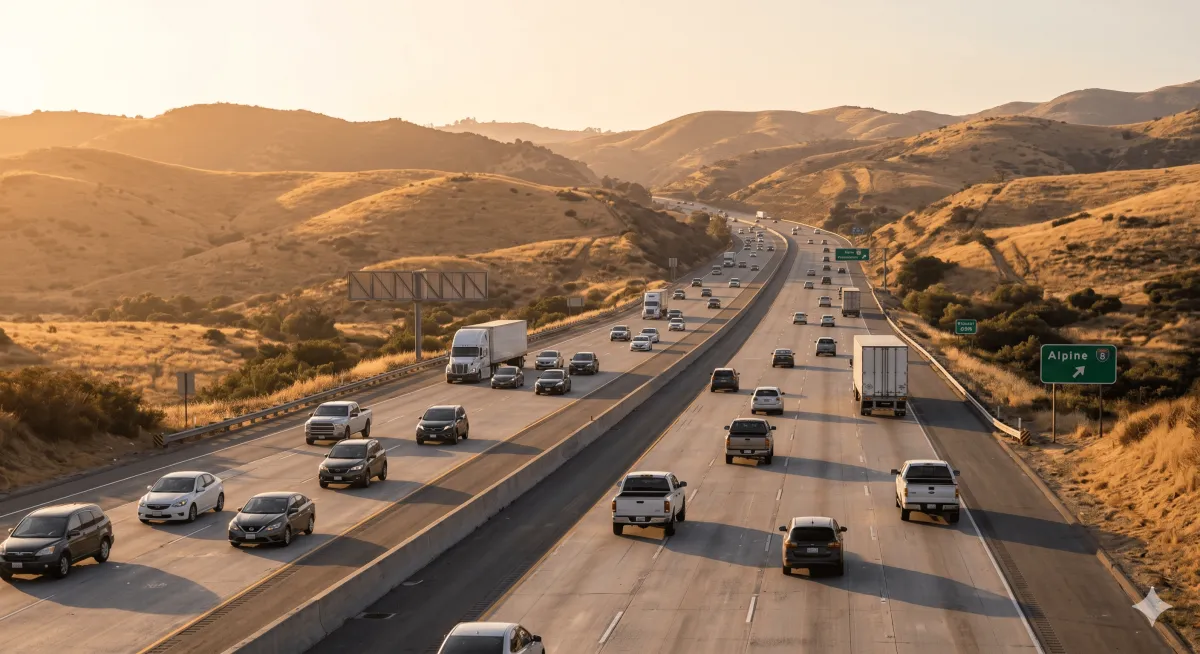
Pros and Cons of Living in Alpine CA
Pros and Cons of Living in Alpine, CA: What Buyers Should Know
By: Jacob Menath
Most people who reach out to me about Alpine are chasing one of a few things. More room. More quiet. A bigger lot. A morning that doesn't start with their neighbor's car alarm. They're a little worn down by the density of central and coastal San Diego, and they want a part of the county that still feels open.
Alpine delivers a lot of that. I'm Jacob Menath, and I help buyers find their footing across Alpine and East County, so I get to watch how this plays out in real life, not just on paper.
For buyers relocating from the more suburban or coastal parts of San Diego County, Alpine often feels like a completely different pace of life, even though it's still within commuting distance of the city. That gap between expectation and reality is where most of the surprises live, good and bad.
Here's what I tell people before they fall for a listing photo: the things buyers love most about Alpine are often the same things other buyers end up struggling with. The space that feels like freedom to one family feels like a second job to another. The quiet that one person finds calming, another finds a little too still at night.
So what are the real pros and cons? Alpine gives you more space, more privacy, a slower pace, and genuine access to a rural or semi-rural lifestyle without leaving San Diego County. The tradeoffs are a longer commute, hotter summers, more property to maintain, wildfire and insurance considerations, and fewer things within walking distance. Whether Alpine fits you usually has less to do with the house and more to do with how you actually want to spend your days.
Let's walk through both sides honestly, so you can picture daily life before you commit to it.
The Pros of Living in Alpine
More Space and Privacy
This is the big one for most buyers. Homes and lots in Alpine tend to be larger than what you'll find in suburban San Diego, and the separation between neighbors is real. You're often not staring into someone's kitchen window.
That space opens up options. Room for an RV or a trailer. A workshop or detached garage. A pool. Animals. A garden that's more than a planter box. For buyers who've spent years feeling boxed in, that breathing room is the whole point.
A Quieter Pace
Alpine runs slower, and you feel it almost immediately. Less traffic. Less noise. Mornings and evenings that actually feel peaceful instead of packed.
A lot of buyers don't realize how much background noise they'd been living with until it's gone. The first quiet night in Alpine tends to surprise people.
A Strong Community Feel
Alpine still has that small-town rhythm. Local events, familiar faces, the sense that people are rooted here rather than passing through. You start to recognize folks at the same coffee spot or the feed store, and the little commercial stretch around Alpine Village and Tavern Road functions as the town's center of gravity.
It's a more connected feeling than you'll find in a lot of newer suburban developments, and for many buyers that's a bigger draw than they expected going in.
The Outdoor and Rural Lifestyle
Alpine sits in the foothills, so the scenery does a lot of work. Trails, open space, and darker night skies than you'll see closer to the coast. There's an established horse property culture out here, too.
If you want easy access to a rural lifestyle without leaving the county entirely, Alpine is one of the few places that gets you there while still keeping San Diego within reach.
More House for Your Money
I'll word this carefully, because real estate values move and I'm not in the business of making promises. But broadly speaking, buyers often find they can get more square footage and a larger lot in Alpine than in many coastal neighborhoods at a similar price point.
What that's worth depends entirely on your priorities. Space matters more to some buyers than location, and Alpine tends to reward the ones who value land and room.
Different Levels of Rural Within Alpine
One thing buyers almost always underestimate is how much variety exists inside Alpine itself. West Alpine, central Alpine, the estate communities, and the rural stretches toward Japatul all feel like different worlds. You can pick how rural you actually want to go. We'll get into the specifics further down, because this part matters more than most people think.
The Cons of Living in Alpine
The Commute Is Longer
The honest, uncomfortable reality first: the commute is the thing most likely to wear on you over time.
Alpine sits east of central San Diego along Interstate 8, and depending on where you work, that drive adds up. Some buyers handle it fine and use the time to decompress. Others find that the novelty fades and the daily back-and-forth starts to feel heavy after a year or two.
Commute tolerance varies a lot from person to person, and it's genuinely hard to predict your own until you're living it. If your job requires you downtown every day, drive the route at your actual commute times before you decide. Not on a quiet Sunday afternoon.
Hotter Summers
Alpine runs warmer than the coast, especially in summer. You're far enough inland that the marine layer doesn't do much for you, so the East County climate is drier and the afternoons can get hot.
For some buyers that's a feature. For others it's an adjustment, particularly if they're coming from a beach community where they never needed much air conditioning.
Wildfire and Insurance Considerations
Wildfire awareness is simply part of life in foothill communities, and it's something I'd rather you understand early than discover later. That means defensible space, brush clearance, and ongoing property maintenance are real responsibilities, not optional extras.
It also affects insurance. Availability and pricing for homeowners insurance in higher-risk areas can vary quite a bit, and it's been a moving target across California in recent years. I always tell buyers to talk to an insurance agent and get real quotes early in the process, ideally before you're emotionally committed to a specific home. It can influence both your budget and which properties make sense for you.
More Property to Maintain
Bigger lots and acreage come with more upkeep. Brush to clear, longer driveways to maintain, and on many properties, systems you may not have dealt with before.
Many homes in Alpine and the surrounding rural areas rely on septic systems or well water rather than city services. Those aren't problems, but they do require knowing how they work, budgeting for maintenance, and getting them properly inspected during escrow. A surprise septic or well issue is one of the more expensive things a buyer can overlook.
Less Walkability and Fewer Amenities
You won't have much within walking distance. Restaurants, shopping, and everyday errands generally mean getting in the car. Alpine has solid local options around Alpine Village, and Viejas adds dining, a casino, and an outlet center on the east end, but the urban convenience of grabbing dinner on foot mostly isn't part of the picture.
For some buyers that's a fair trade for the space. For others, it's a daily friction they didn't anticipate.
Rural Living Isn't for Everyone
This is worth saying plainly. The lifestyle adjustment can be bigger than people expect.
Buyers sometimes underestimate the isolation, the darkness at night, the maintenance, and the distance from services. None of these are dealbreakers for the right person. But they add up, and if you're not prepared for them, the dream home can start to feel like a lot of work.
The Parts of Alpine Feel Very Different
Buyers often assume all of Alpine feels the same. It absolutely does not, and choosing the wrong pocket for your lifestyle is one of the easier mistakes to make.
West Alpine gives you the easiest freeway access and the gentlest transition into East County. It feels less isolated, which makes it a comfortable landing spot for buyers who want more space without going all in on rural life.
Central Alpine keeps you closer to services and has more of a traditional neighborhood feel. The pockets off South Grade Road and around the Village put you near the freeway and everyday errands. If you want some elbow room but still like having things nearby, this is often the sweet spot.
Palo Verde Ranch and the estate areas are where you'll find larger custom homes, gated communities, and more acreage. More privacy, more land, and the maintenance that comes with both. Areas toward Willows Road on the east side lean the same direction, with bigger lots and a more secluded feel.
Japatul and the rural stretches are true rural living. Head out along Japatul Valley Road and you'll find more seclusion, more distance from town, and the most maintenance and commute tradeoffs of any part of Alpine. Beautiful, and not for everyone.
The takeaway: don't shop "Alpine" as a single thing. Shop the specific area that matches how you actually live.
Here's a pattern I see often. Buyers will come in convinced they want the most secluded property they can find, the further out the better. Then they spend real time in the deeper rural areas off Japatul Valley Road and realize the isolation is more than they bargained for. A lot of them circle back toward west Alpine, where they get easier freeway access, a slightly stronger neighborhood feel, and most of the space they wanted without the full commitment to remote living. There's nothing wrong with either choice. The point is that you usually don't know which one you are until you've stood on both kinds of property.
Who Usually Thrives in Alpine
Some buyers settle into Alpine and never look back. Generally they're people who want more space and privacy, horse property owners, RV owners, and buyers who are simply done with suburban density. Outdoor-oriented folks tend to love it, and so do buyers who want that stronger, more rooted community feel.
If your version of a good weekend involves a project in the yard, a trail, or just sitting somewhere quiet, Alpine probably speaks your language.
Who Might Struggle in Alpine
On the other side, Alpine tends to frustrate buyers who need a short commute, want walkability, or aren't interested in property maintenance. If you're after a highly urban lifestyle or genuinely low-maintenance living, the things that make Alpine special will mostly feel like obstacles.
There's no judgment in that. It just means a different part of the county might suit you better, and it's far cheaper to figure that out before you buy than after.
Common Buyer Mistakes
A few patterns come up again and again:
Romanticizing acreage without thinking through the maintenance it demands. Land is wonderful until you're the one clearing the brush.
Underestimating commute fatigue. The drive that feels fine in month one can feel very different in month fourteen.
Going too rural, too fast. Some buyers jump straight to seclusion and realize they wanted a middle ground.
Assuming all of Alpine feels the same. It doesn't, and the differences are big.
Only visiting once, at one time of day. A property feels different on a hot summer afternoon than on a cool morning. See it more than once.
Things That Surprise Buyers After Moving to Alpine
This is the part people remember most after they've settled in.
The quiet at night catches almost everyone off guard at first. So does the wildlife. You'll see more of it than you're used to, and you'll hear it too. Coyotes at night are a regular soundtrack out here, and most people go from startled to oddly fond of it within a few weeks.
The community feel tends to surprise people in a good way, stronger and more genuine than they expected. Little things, like neighbors actually waving or stopping to chat, show up more than in a lot of newer suburban tracts. The night skies are darker, with more stars than you'll see closer to the coast, and once you start noticing them you keep looking up.
Buyers also notice how driving becomes intentional. You plan your errands instead of running out for one thing five times a day, and most people end up appreciating that rhythm.
The weather has more personality than the coast, too. You'll feel the seasons more distinctly, with bigger temperature swings between day and night and hotter summer afternoons. The temperature difference from coastal San Diego is real, especially in the warmer months.
One more practical one: in some of the more rural pockets, power can flick off during storms or high-wind events, and you'll notice neighbors who keep a generator on hand. It's worth asking about for any property you're seriously considering.
And here's the one that surprises people most: how quickly they adapt to the slower pace. The buyers who embrace it usually wonder why they waited so long.
Frequently Asked Questions
Is Alpine, CA a good place to live? For the right buyer, yes. Alpine is a strong fit if you want space, privacy, quiet, and a semi-rural lifestyle inside San Diego County. It's less ideal if you need a short commute, walkability, or low-maintenance living.
What are the pros and cons of living in Alpine? The pros are more space, privacy, a quieter pace, outdoor and rural lifestyle, and often more home for your money. The cons are a longer commute, hotter summers, wildfire and insurance considerations, more property maintenance, and less walkability.
Is Alpine considered rural? Parts of it, yes. Alpine ranges from semi-rural neighborhoods with easy freeway access to genuinely rural areas like Japatul. It's one of the few places where you can choose how rural you want to be.
Is Alpine hotter than San Diego? Generally yes, especially in summer. Alpine sits inland in the foothills with less marine layer influence, so it tends to run warmer and drier than coastal San Diego.
How far is Alpine from downtown San Diego? Alpine is east of the city along Interstate 8, roughly a half-hour drive in good conditions. Traffic and your specific work location can change that meaningfully, so test the drive at real commute times.
Is Alpine expensive? It varies by area and property. Buyers often find they get more space and a larger lot for the price compared to many coastal neighborhoods, but estate and acreage properties can climb well above the local average. Values move, so look at current listings rather than assumptions.
Which parts of Alpine are closest to the freeway? West and central Alpine generally offer the easiest Interstate 8 access. The rural areas toward Japatul are the farthest out and add the most drive time.
Is Alpine good for horse property? Yes. Alpine has an established horse property culture, and many lots are zoned and sized for animals. If that's your goal, it's worth working with someone who understands the local property and zoning details.
Do buyers regret moving to Alpine? Some do, and it's almost always because they underestimated the commute, the maintenance, or how rural their specific area really was. The buyers who do their homework and embrace the tradeoffs tend to be the happiest.
Final Thoughts
Alpine is an excellent fit for buyers who want more space, quieter surroundings, a stronger community feel, and a semi-rural or rural lifestyle. The people who thrive here aren't the ones who got the perfect house. They're the ones who understood the tradeoffs going in and embraced them instead of fighting them.
So before you decide where you fit, spend real time in different parts of Alpine. Drive the commute. Visit at different hours. Sit with the quiet. The more honestly you picture daily life ahead of time, the more confident your decision will be, and the less likely you are to be surprised by something expensive later.
That's the part I care about most. Not just helping you find a home, but helping you choose the right one with clear eyes.
Keep Exploring Alpine and East County
If you're working through where you fit, these companion guides go deeper on the specific topics above:
Jacob Menath is a real estate agent in Alpine, CA helping buyers navigate Alpine and East County San Diego communities including Deercreek, Palo Verde Ranch, Rancho Palo Verde, and surrounding rural and semi-rural neighborhoods.
Menath Real Estate Team | Alpine, CA | Serving San Diego County