Is Chula Vista a Good Place to Live?
When someone asks me whether Chula Vista is a good place to live, I usually answer with a question of my own.
Which Chula Vista are you picturing?
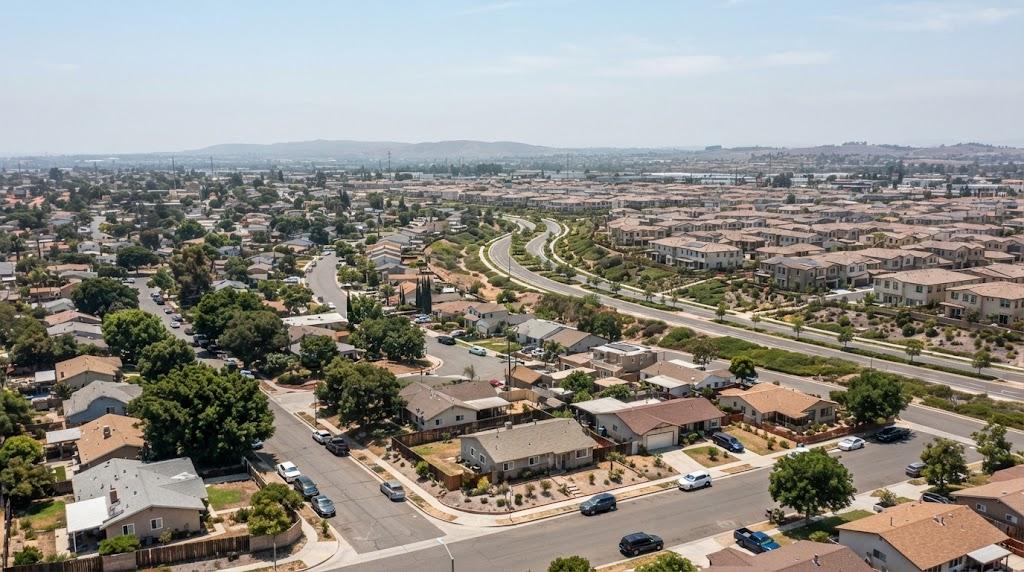
It's a fair question, because Chula Vista is one of the largest cities in San Diego County, and living in one part of it can create a very different daily routine than living in another. Some neighborhoods have older homes and established streets that have been there for decades. Other areas, especially farther east, are newer master-planned communities with HOAs, newer shopping centers, and a more recently built suburban feel.
So here's the short answer.
Yes, Chula Vista can be a good place to live for a lot of people. It offers a South County location, a wide range of housing, everyday shopping and services, parks, and decent access to the rest of San Diego County. But don't evaluate Chula Vista like it's one neighborhood, because it isn't. The better question is whether the specific part of Chula Vista you're looking at actually fits your budget, your commute, and the life you're already living.
I'm Jacob Menath, a real estate agent with Menath Real Estate Team based in Alpine, serving homeowners throughout Alpine and East County San Diego. Chula Vista isn't my backyard the way Alpine is, but I work with buyers across San Diego County who are weighing exactly this kind of decision, and the way I'd help someone think through Chula Vista is the same way I'd help them think through any move: understand the tradeoffs first, then go look at the actual place.
Chula Vista Is Bigger and More Varied Than It Looks on a Map
One mistake buyers make is talking about Chula Vista like every neighborhood offers the same experience.
It doesn't.
A home in an older, established part of the city can feel completely different from a newer property farther east. The architecture changes. Lot sizes change. Whether there's an HOA, and what that HOA actually covers, changes. Even the route you'd drive to work or to run errands changes depending on which side of the city you're on.
So don't just decide whether you like "Chula Vista." Decide whether you like the specific version of Chula Vista that comes with the home you're actually considering. That distinction matters more than most online rankings ever will.
Where You Work Matters More Than the Map Suggests
Chula Vista's location looks convenient on paper. It's South County, close to the border, with reasonable access north toward the rest of San Diego.
But your actual commute depends entirely on where you're going.
Someone working within South County has a completely different daily routine than someone driving north into central San Diego every morning. That's why I don't like evaluating a home based on mileage alone. Distance on a map doesn't tell you what the drive feels like at 7:45 on a Tuesday.
If you're seriously considering a home, test the route at the time you'd actually be driving it. A fifteen-mile commute you repeat ten times a week will shape your life more than a restaurant you might visit once a month.
Older Chula Vista vs. Newer Chula Vista
This is probably the most useful comparison to understand before you start touring homes.
More established neighborhoods tend to offer older housing stock, mature streetscapes, and different lot configurations. You may find fewer master-planned amenities, but also fewer restrictions on what you can do with the property.
Newer development, particularly farther east, often comes with planned communities, community amenities, HOAs, and in some cases additional assessments tied to the property. The homes themselves may be newer, but the ongoing costs of ownership can look different too.
Neither one is automatically the smarter choice. Some buyers genuinely prefer newer construction and the predictability of a planned community. Others would rather have an older home on an established street with more flexibility and no HOA dues.
Newer doesn't mean maintenance-free, and older doesn't automatically mean problematic. You have to evaluate the actual house and what it costs to own it, not just the era it was built in.
Pay Attention to HOA Fees and Property-Specific Costs
This is where I see buyers get caught off guard most often.
When you're comparing two homes with similar price tags, don't stop at the purchase price. Two properties priced the same can create very different monthly costs once you factor in HOA dues, any special assessments tied to the property, insurance, and ongoing maintenance.
If a home has an HOA, find out exactly what you're paying for and what it includes. If there are additional assessments on the property, understand what they are and how long they last. None of this should scare you off a home you love. It should just be part of the math before you make an offer.
Compare the cost of owning the home, not just the price of buying it.
Everyday Convenience Is Part of the Lifestyle
This isn't the exciting part of house hunting, but it's the part you'll notice every single week after you move in.
Where do you buy groceries? How long does it actually take to get to the places you use regularly? Where are your usual appointments? Where do you tend to spend your weekends?
A beautiful house doesn't change the geography of your life. The home is where you live, but the surrounding area determines how much effort it takes to live there. It's worth driving through a neighborhood on an ordinary weekday, not just during an open house, to get a real sense of this.
What About Parks and Outdoor Recreation?
If outdoor space matters to you, don't just count how many parks show up on a map search.
Ask which ones you'd actually use. Would you walk there, or would it require a drive? Are there trails you'd use regularly, or is it more of an occasional destination? Amenities only improve your day-to-day life if they're genuinely part of the life you're already living, not just a feature that sounded nice during the search.
What Is the Weather Like in Chula Vista?
Even within San Diego County, the weather isn't identical everywhere. Chula Vista's size and geography mean conditions can feel noticeably different depending on how close you are to the coast versus farther inland.
If temperature is something you care about, especially in the warmer months, spend time in the specific area you're considering rather than assuming "San Diego weather" is the same across the whole county. It rarely is.
Chula Vista vs. East County
I don't work Chula Vista the way I work Alpine and East County, but I do hear a version of this comparison fairly often from buyers who are weighing both.
Chula Vista is a larger South County city with a mix of established and newer development, a more urban and suburban feel, and a commute geography that's oriented toward South County and the border. East County communities like Alpine tend to offer more space, semi-rural and rural properties in some markets, larger lots, and a different relationship with commute and daily services.
Someone considering Chula Vista probably isn't automatically weighing Alpine too. But sometimes the underlying question is the same one: how much convenience are you willing to trade for space?
A buyer might choose Chula Vista because the location works better with a job, family nearby, or a weekly routine that's already built around South County. Another buyer might decide that having more land, more privacy, or a smaller-town feel is worth a longer drive.
That's not really a housing decision. It's a lifestyle decision that happens to involve a house.
What About Schools and Safety?
I get asked about this often, and I try to answer it the same careful way every time.
I don't rank neighborhoods based on which one is "safest," and I don't tell clients which schools are "best." Those are personal decisions that depend on your household, not something I can hand you as a fact.
For schools, check current attendance boundaries and district information directly, then look into the specific programs that matter to your family. For safety, use current government and law enforcement resources and weigh the information based on your own comfort level.
My job is to help you understand the objective differences between properties, locations, and ownership costs. The personal questions are yours to decide.
Don't Choose Chula Vista Based on Reputation Alone
Online discussions about any city tend to flatten everything. Someone loves it. Someone else hates it. Both people might be describing their experience accurately, and neither one lives your life.
Before deciding on Chula Vista, or any part of it, spend real time there. Drive the commute you'd actually have. Visit the neighborhood on a weekday, not just a Saturday afternoon. Run an errand. Get dinner nearby. See what traffic actually feels like when everyone else is out living their normal week.
You can learn more from one ordinary Tuesday in a neighborhood than from a hundred comments about it online.
A Pattern I See With Buyers
Buyers almost always start with the house. Price, bedrooms, square footage, maybe a particular style they've had in mind.
Then we start looking at actual locations, and something shifts.
One person realizes they care a lot more about commute than they expected going in. Someone else decides they'd accept a longer drive in exchange for a certain type of property. Another buyer figures out that HOA amenities don't matter enough to them to justify the extra monthly cost.
By the end, they're not really comparing houses anymore. They're comparing the daily lives those houses would create. That's usually when the decision starts to feel clear instead of overwhelming.
Questions Worth Asking Yourself
Where do I work, and where does my partner work?
Where do I go several times a week?
How much commuting am I actually comfortable with?
Do I prefer newer construction or an established neighborhood?
How do I feel about HOA rules and dues?
Have I calculated the total monthly cost of owning this home, not just the purchase price?
How much outdoor space do I really want, and would I use it?
Which amenities would I genuinely use, versus which ones just sound nice?
Where do family or close friends live?
Have I spent time in the actual neighborhood, on an ordinary day?
And the question underneath all of them: what would an ordinary Wednesday living here actually feel like?
Frequently Asked Questions
Is Chula Vista a good place to live? Chula Vista can make sense for people who want a South County location with a variety of housing, shopping, services, and access to the rest of San Diego County. Whether it's right for you depends on the specific neighborhood, housing type, commute, and budget.
What should I know before moving to Chula Vista? Don't treat Chula Vista as one uniform market. Compare specific neighborhoods, test your actual commute, understand any HOA dues or property-specific assessments, look closely at the condition of the home, and spend time in the area before deciding.
Is Chula Vista a good place to buy a home? It can be. Evaluate the specific property, the total ownership cost, the commute, the condition of the home, and how long you expect it to fit your needs, rather than relying on the city's general reputation.
What is the difference between eastern and western Chula Vista? Housing age, development patterns, lot sizes, community amenities, and overall feel can vary a lot across the city. It's worth comparing specific neighborhoods rather than assuming the whole city offers the same experience.
Is Chula Vista close to San Diego? Chula Vista sits in South County. How convenient that feels depends entirely on where you're actually traveling and when, so it's worth testing the specific routes you'd use regularly.
Does Chula Vista have HOAs? Some properties are part of an HOA and others aren't. Dues, rules, amenities, and financial condition vary community by community, so review the specific property instead of making a citywide assumption.
Should I move to Chula Vista or East County? That depends on where the rest of your life happens and what kind of property you want. Chula Vista offers a South County lifestyle that's different from communities like El Cajon, Santee, or Alpine. It's worth comparing commute, housing type, lot size, ownership costs, and your normal weekly routine before deciding.
The Bottom Line
So, is Chula Vista a good place to live?
It certainly can be. But the city is too large and too varied for a simple yes or no to tell you much on its own.
One buyer prefers an established neighborhood. Another wants newer construction. Someone cares most about the commute. Someone else is focused on total ownership costs. And every once in a while, a buyer realizes what they actually want isn't Chula Vista at all, but a different part of San Diego County entirely.
Don't start with "is Chula Vista good?" Start with "does this specific part of Chula Vista make my everyday life easier or harder?" Then go experience it for yourself.
Because in the end, you're not choosing the city that ranks best on a list. You're choosing where you're going to live an ordinary Wednesday.
Jacob Menath is a real estate agent in Alpine, CA serving San Diego County, helping homeowners make informed, confident decisions when buying their home and navigating major life transitions.
Menath Real Estate Team | Alpine, CA | Serving San Diego County



