
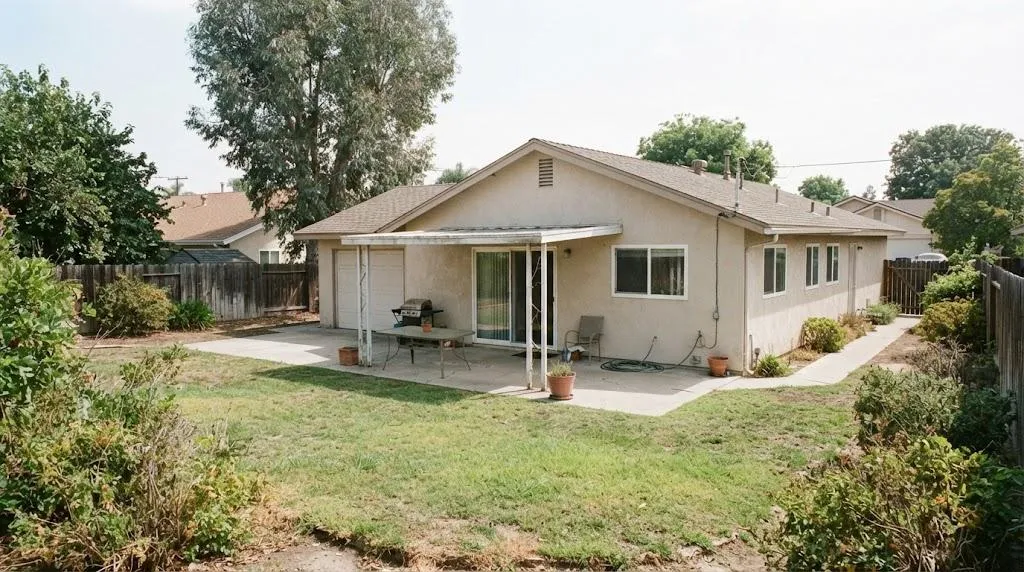
How to Spot Long-Term Equity Potential in a San Diego Home
How to Know If a Home Has Long-Term Equity Potential in San Diego
By Jacob Menath
Real Estate Agent in Alpine, CA | Menath Real Estate Team
Helping San Diego buyers make smart long-term real estate decisions
In This Guide
What long-term equity potential actually means
Why location matters more than finishes
What experienced buyers usually look for
Why functional homes often outperform trendy ones
How buyers overpay emotionally
What hurts long-term value
Why East County opportunities still matter
How long-term ownership usually builds equity slowly
A lot of buyers in San Diego eventually ask some version of the same question:
"How do I know if this home is actually a good long-term investment?"
What they're usually really asking is something more personal. Will this property hold its value? Will it still make sense for me five or ten years from now? Am I overpaying? Will I regret this later?
Those are reasonable questions, and they deserve honest answers.
The short version is this. Long-term equity potential usually has less to do with predicting the market perfectly, finding a hidden deal, or buying the trendiest home in the area. It has more to do with buying in a strong location, keeping the payment sustainable, avoiding major mistakes, and owning a property that continues to make sense over time. The homes that quietly build wealth over the years tend to be the ones buyers evaluated carefully instead of emotionally.
What Gives a Home Long-Term Equity Potential?
Homes with strong long-term equity potential usually share a handful of traits. They sit in desirable locations with steady demand. They cost something the owner can comfortably afford month after month. They have layouts that fit normal life, manageable maintenance, and broad appeal to future buyers.
Homes tend to struggle long term when they have the opposite. Poor locations. Severe layout limitations. Heavy deferred maintenance. Highly specific features that only appeal to a small slice of buyers. Insurability problems.
In Simple Terms
Homes with strong long-term equity potential usually have:
strong locations
functional layouts
sustainable ownership costs
broad buyer appeal
manageable maintenance
and long-term desirability
Homes tend to struggle long term when they have:
poor locations
impractical layouts
severe maintenance issues
insurability problems
or highly specific features that limit future buyer demand
In San Diego, long-term value usually builds slowly through stable ownership over time, not through perfect timing.
Why Location Still Matters More Than Almost Anything Else
You can improve a house over time. You cannot relocate the property.
That single idea probably matters more than any other factor when evaluating long-term value. A home's location influences commute access, school options, neighborhood stability, nearby amenities, infrastructure, and long-term desirability. None of that changes when you repaint the walls or update the kitchen.
When a location has steady demand year after year, the homes inside that location tend to benefit from that demand. When a location loses appeal for some reason, even a beautifully renovated home inside it can struggle.
Different Locations Solve Different Problems
San Diego County is unusual because it offers so many different kinds of locations within a relatively short drive of each other. Coastal areas tend to attract one kind of buyer. Suburban family neighborhoods attract another. East County draws people looking for more space, more affordability, and a different pace of life.
Communities like Alpine, Santee, Lakeside, La Mesa, and El Cajon each appeal to different priorities. A buyer focused on schools and walkability may want something very different from a buyer looking for acreage and a quieter setting.
There's no single best location. There's the location that matches what you actually need and what future buyers will likely still want.
Why Functional Homes Often Hold Value Better
A highly functional home usually appeals to more buyers over time than a highly trendy one.
That doesn't mean style doesn't matter. It just means style fades faster than function. Layout, bedroom and bathroom balance, storage, parking, outdoor usability, and basic flow tend to matter more to long-term buyers than whatever finish was popular the year the home was last updated.
Think about what daily life looks like in a home. Is there enough room for the things people actually own? Does the layout work for a family, a couple, or someone working from home? Can you bring groceries in without walking through three rooms? Is there a place for guests, projects, or just quiet?
Broad Buyer Appeal Usually Matters
When you eventually sell, you want as many potential buyers as possible to see the home and think, "Yeah, this could work for us."
Homes with flexible floor plans, adaptable spaces, and practical living areas tend to attract that broader response. Homes built around very specific lifestyles, hobbies, or design choices tend to attract a narrower one.
The easier a home fits normal life, the easier it usually is to resell later.
Why Buyers Overpay Emotionally
Here's an uncomfortable truth worth sitting with.
Buyers often pay the biggest premiums for homes that photograph well, not necessarily homes that function best long term. A staged kitchen with fresh quartz counters and trendy lighting can pull more emotional response than a well-built home with a smarter layout and a better lot.
That's not bad taste. It's human nature. We respond to what looks good in the moment.
But it's worth being honest about how that influences buying decisions. Bidding wars, turnkey premiums, and the HGTV effect have caused plenty of buyers to stretch beyond what made sense for a home they later realized was just fine, not actually exceptional.
Cosmetic Upgrades and Long-Term Value Are Not the Same Thing
Cosmetic upgrades can absolutely add value. But they also tend to age. Today's on-trend kitchen will look dated within ten or fifteen years. That doesn't mean it was a bad upgrade. It just means it's not the same thing as long-term structural quality, a solid location, or a layout that ages well.
When you're evaluating a home, it helps to mentally separate the two. What about this home is durable, fundamental, and hard to change? And what is essentially a paint-and-pretty layer that any buyer could redo?
You don't want to pay a structural-quality premium for a cosmetic-quality feature.
This is one of the reasons buyers sometimes overlook homes that need cosmetic work.
What Usually Hurts Long-Term Equity Potential
A cheap purchase price does not automatically create good long-term value.
Some properties trade at a discount for real reasons. Recognizing those reasons matters.
Properties tend to struggle long term when they have:
Poor or declining locations
Severe deferred maintenance
Unusual or impractical floor plans
Difficult access (steep driveways, private roads in poor condition, narrow easements)
Problematic lot conditions
Insurability issues, particularly in higher-risk wildfire zones
Functional obsolescence (homes built in a way that no longer matches how people live)
A home can have most of these issues and still be a fine home to live in. The question is whether the eventual resale pool will be willing to absorb those issues at a reasonable price.
Highly Specific Homes Usually Appeal to Smaller Buyer Pools
Some homes are so customized to one owner's preferences that they become hard to sell later. Heavy over-customization, very niche features, awkward additions, or layouts built around hobbies that few buyers share all tend to narrow the future buyer pool.
That doesn't mean you should avoid character or personality in a home. It just means the more specific a property is, the smaller the audience tends to be when it's time to sell.
Why East County Opportunities Still Matter
A property does not need to sit near the coast to create strong long-term ownership value.
East County communities like Alpine, Lakeside, Santee, El Cajon, and Jamul have offered real advantages for buyers willing to look past the coastal premium. You tend to get more detached homes, larger lots, more usable land, and a different ownership lifestyle for the same dollar figure. For some buyers, that flexibility matters more than proximity to the beach.
Some of these areas also offer real ADU potential, which can affect long-term flexibility, future use, and family planning. Older homes on larger lots in places like Alpine or Lakeside often have more room to evolve over time than newer homes built tighter to the lot lines.
There are tradeoffs, of course. Commutes can be longer. Some homes have septic systems, well water, or longer driveways that come with their own maintenance realities. Wildfire insurance is a real consideration in parts of East County, and it's worth understanding before you fall in love with a property.
More Flexibility Per Dollar Matters
For a lot of buyers, the appeal of East County comes down to flexibility. More land. More room to grow into the property. More options to adapt it over time. And often, a more sustainable monthly payment than a comparable coastal home would require.
Sustainable ownership creates long-term flexibility. And long-term flexibility is one of the quiet ingredients in long-term equity.
I've worked with buyers who initially focused almost entirely on updated finishes, only to realize later that the homes with slightly older interiors often offered much better layouts, larger lots, more flexibility, and more sustainable monthly payments long term. The homes that didn't photograph as well often turned out to be the better fit once real life set in.
Why Sustainable Ownership Matters So Much
A home only creates long-term equity if you can comfortably hold onto it long term.
This is the part of the equation buyers tend to underestimate.
You can buy a great home in a great location with a great layout, but if the payment, taxes, insurance, and maintenance push you to the edge of what you can handle, you're putting the whole plan at risk. Real life has a way of introducing surprises. Jobs change. Kids happen. Cars break. Roofs eventually need replacing.
A home that keeps you in a stable financial position over time is far more likely to build equity than one that looks better on paper but quietly drains you every month.
Forced Sales Often Destroy Long-Term Plans
The buyers who get hurt most are usually the ones forced to sell at the wrong time. Overleveraging, no reserves, or unsustainable monthly costs can turn a normal life event into a financial decision you didn't want to make.
When you're forced to sell, you usually don't get to choose the timing, the price, or the terms. That's where a lot of equity gets quietly lost.
Sustainability isn't the exciting part of buying a home. It's the part that protects everything else.
Why Long-Term Equity Usually Builds Slowly
A lot of homeowners who built meaningful equity simply owned reasonable homes long enough for time to work.
That's less exciting than the version you'll see on social media, but it's closer to the truth. Equity tends to come from a combination of appreciation over time, principal paydown each month, gradual improvements, and the patience to stay through normal market cycles.
There are exceptions. There are stories of perfect timing and dramatic gains. But for most homeowners, the path is much quieter than that.
Most Equity Stories Are Less Dramatic Than People Think
The less dramatic path usually wins.
A reasonable home, in a reasonable location, with a payment you can actually live with, owned for ten or fifteen or twenty years, tends to do better than a more aggressive plan that depends on everything going right.
That's not the version that gets clicks online. But it's the version that quietly builds real ownership over time.
What Smart Buyers Usually Focus On
When experienced buyers evaluate a home for long-term potential, the things they prioritize tend to look very different from the things buyers often overfocus on.
What Smart Buyers Usually Prioritize:
strong locations
functional layouts
sustainable monthly payments
manageable maintenance
future flexibility
broad buyer appeal
realistic ownership timelines
long-term livability
What Buyers Often Overfocus On:
trendy finishes
emotional excitement
short-term market predictions
social comparison
trying to perfectly time the market
Neither list is exhaustive. But it's a useful starting point when comparing properties that all look appealing on first impression.
What Makes a Home Hold Its Value Long Term in San Diego?
No one can promise any specific home will hold its value. But the properties that tend to hold up best usually share a few characteristics. They sit in locations with steady, durable demand. They have layouts that work for a wide range of buyers. They don't carry hidden burdens like unusual access issues, significant deferred maintenance, or insurability problems. And the owners can comfortably afford them over time.
In San Diego specifically, that often means looking past the most photographed features and asking harder questions about location, function, and the realistic cost of owning the home for the long haul.
Common Buyer Mistakes
A few patterns come up over and over again:
Overpaying for cosmetic upgrades
Ignoring long-term affordability
Buying highly impractical layouts because the photos looked good
Focusing too heavily on current trends
Stretching too aggressively financially
Underestimating ongoing maintenance and reserves
Chasing "hot" markets emotionally
Expecting fast appreciation
None of these are unusual. They're common precisely because the buying process is emotional, fast, and competitive. Recognizing them in advance is most of the protection.
Why Long-Term Ownership Usually Wins
A lot of financially successful homeowners simply bought reasonable properties, avoided major mistakes, and gave ownership enough time to work.
That sounds almost too simple. But it holds up.
Patience, realistic expectations, and a willingness to stay through the slow parts of the market tend to outperform almost every clever strategy. Buyers who think in five and ten year windows usually end up in a stronger position than buyers who try to optimize every short-term move.
The goal isn't to predict the market. It's to own a home you'd still feel good about owning years from now.
FAQ
What gives a home good long-term value? Usually a combination of location, functional layout, sustainable cost of ownership, manageable maintenance, and broad appeal to future buyers. No single factor matters as much as those working together.
Do cosmetic upgrades increase equity? They can affect resale value in the short term, but they also age. Cosmetic features tend to drive emotional response, not durable long-term value. It's worth separating the two when comparing homes.
Why does location matter so much in real estate? Because almost everything else about a home can be changed. Location influences demand, accessibility, schools, infrastructure, and long-term desirability, and you can't move the house to fix any of it.
What kinds of homes hold value best? Generally, functional homes in strong locations with broad buyer appeal and manageable ownership costs. Highly customized or highly specific properties tend to appeal to smaller buyer pools.
Are East County homes good long-term investments? East County offers real advantages for buyers seeking more space, larger lots, ADU potential, or a different ownership lifestyle at a different price point. Whether a specific property holds up long term still depends on its location within East County, its condition, and how well it matches future buyer demand.
How do buyers avoid overpaying emotionally? By slowing down, separating cosmetic features from structural quality, evaluating function, and being honest about what they'd still feel good about owning years from now.
How long does it usually take to build equity? It varies, and no one can promise specific timelines. For most owners, meaningful equity builds gradually over many years through a combination of appreciation, principal paydown, and steady ownership. Patience tends to matter more than timing.
If You're Thinking Through a Purchase
If you're trying to figure out whether a property makes sense long term, how to evaluate homes more strategically, what kinds of properties usually hold value better, or how to avoid common buyer mistakes, that's exactly the kind of conversation worth having before you write an offer.
Jacob and Kristin Menath help San Diego buyers think through those decisions clearly, realistically, and without pressure.
About Jacob and Kristin Menath
Jacob and Kristin Menath are real estate professionals based in Alpine, CA, serving buyers and homeowners throughout San Diego County, including East County communities like Alpine, Lakeside, Santee, El Cajon, Jamul, and La Mesa.
They work with first-time buyers, move-up buyers, downsizing homeowners, and families making long-term ownership decisions. Their approach focuses on practical guidance, thoughtful strategy, and helping buyers make confident real estate decisions that support their future long term.
Jacob Menath is a real estate agent in Alpine, CA serving San Diego County, helping homeowners make informed, confident decisions when selling their home and navigating major life transitions.
Menath Real Estate Team | Alpine, CA | Serving San Diego County



Have questions?
Menath Real Estate Team
Jacob & Kristin Menath, REALTORS®
2710 Alpine Blvd Ste K PMB 10106
Alpine, CA 91901
www.menathrealestate.com
CA DRE #01742516 | CA DRE #01522683