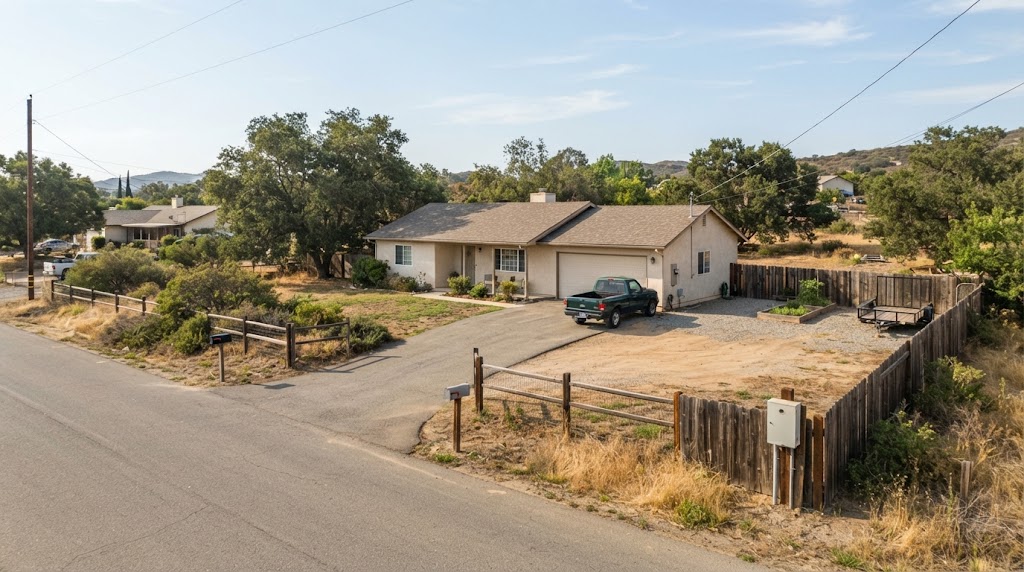
What Makes a Property a Smart Investment in San Diego?
What Makes a Property a Smart Investment in San Diego?
A lot of buyers and homeowners in San Diego assume a "smart investment" means buying in the hottest neighborhood, choosing the nicest finishes, or simply waiting for appreciation to do the work.
Experienced buyers usually evaluate properties differently. They look at long-term demand, lot usability, insurability, maintenance realities, flexibility, and how broadly the property will appeal over time. The homes that hold value best are often the ones that continue making practical sense long after trends change.
A smart investment property continues making sense long after trends change.
If you're preparing to sell, especially as a downsizer or move-up seller, understanding this lens helps you in two ways. It tells you how serious buyers will look at your current home, and it helps you choose your next one with fewer regrets.
In Simple Terms
Smart investment properties in San Diego usually have:
Strong long-term buyer demand
Usable and functional land
Manageable insurance and maintenance costs
Broad resale appeal
Practical layouts and access
Realistic long-term ownership costs
The best-performing properties are often the ones that continue making sense to buyers even after trends and market conditions change.
That's the framework I work from with clients in Alpine and across East County. The deeper answer takes some unpacking, especially out here in the foothills, where a property's investment quality can look very different from what you'd see in a coastal subdivision. Let's go through it.
Location Matters, But Not the Way Most People Think
People hear "location, location, location" and assume that means proximity to the beach. In San Diego County, location is much more layered than that.
A few things buyers and appraisers tend to care about:
Drive time to major employment areas and freeways
Access to services like grocery stores, hospitals, and gas stations
School district boundaries, which often shape resale demand
Cell service and internet availability
Future development or zoning changes nearby
In places like Alpine, Jamul, or Descanso, the picture shifts. The same square footage can sell for very different numbers depending on whether the home has solid I-8 access, reliable fiber internet, and decent cell service. I've watched buyers walk away from beautiful properties because they couldn't get usable service for remote work.
If you're selling, this is something to be honest with yourself about. A home with limited access or weak connectivity isn't a flaw you can stage your way around. It's a real factor that shapes who your buyer is and how patient you need to be.
The Lot Does More Work Than People Realize
In a tract neighborhood, lots tend to be similar enough that the home itself drives most of the value. Out in the foothill and semi-rural areas of San Diego County, the lot can carry as much weight as the structure.
Buyers look at:
How much of the land is actually usable
Slope and grading
Where the septic field sits and what that limits
Driveway access and turnaround space
Privacy and view orientation
Room for things people want out here, like a workshop, RV parking, or animals
A five-acre parcel where most of the land is steep hillside doesn't function the same as a five-acre parcel with a flat usable pad. Two listings with the same acreage can sell at very different prices because of how the lot lives day to day.
This is one of the most overlooked factors when homeowners price their property. They see the acreage on paper and assume more is more.
Buyers see what they can use.
What Smart Buyers Actually Evaluate
Experienced buyers focus on:
Location access and connectivity
Insurance viability
Usable land, not just lot size
Maintenance predictability
Resale flexibility
Broad market appeal
Realistic ownership costs
They tend to discount:
Cosmetic upgrades that don't hold up
Short-term trends
Emotional excitement around features
Big acreage numbers without usability
If you're preparing to sell, looking at your home through that filter is one of the most useful things you can do before pricing it.
Insurability Has Become Part of the Investment Question
A few years ago, asking about fire insurance was a minor checklist item. Today, in East County and many foothill communities, it can be one of the first things a serious buyer asks.
Insurance carriers have tightened their criteria, and some homes face higher premiums or limited options. That affects:
Whether a buyer can actually close on the home
How much their monthly payment ends up being
How appealing the property looks next to comparable listings
Insurability is now part of the investment conversation.
If you're preparing to sell, it's worth getting clarity on your current insurance situation before listing. I'm not an insurance agent, and conditions change, but I've seen sales fall apart because nobody asked the question early. Defensible space, roof condition, and clearance around structures all play into how buyers and their insurers view the home.
That doesn't mean rural properties are bad investments. Plenty of buyers want exactly that lifestyle and plan accordingly. It just means insurance is part of the conversation now, and pretending otherwise tends to cost sellers money.
Predictable Maintenance, Predictable Buyers
A home that's straightforward to own attracts a wider range of buyers than one that requires constant attention. That's not the same as saying older homes are bad investments. Older homes in Alpine and the East County often have great bones and meaningful character. What matters is whether the systems are in working order and whether the next owner can roughly predict what they'll need to handle in the first few years.
Things buyers tend to focus on:
Roof age and condition
HVAC and ductwork
Electrical panel, especially in older homes
Plumbing materials and water heater
Septic system condition and recent service records
Well system, pump, and water quality reports if applicable
Road access, including private road maintenance agreements
If you can hand a buyer recent service records and inspection paperwork, you've cut down their uncertainty.
Uncertainty is what tanks offers and slows escrows.
Buyer Pool Size Shapes the Price
Here's something I tell sellers honestly, especially in semi-rural and acreage areas:
The more specialized your property is, the smaller the buyer pool.
A three-bedroom home on a flat suburban lot in a steady neighborhood might attract many serious buyers within a few weeks. A horse property with custom barns and a riding arena attracts a smaller audience. Both can be excellent properties. They just don't move at the same speed.
I recently spoke with a homeowner who assumed their custom horse property would attract the same level of demand as nearby tract homes. The property itself was beautifully maintained, fenced well, and set up thoughtfully. But the audience for that specific kind of setup was much narrower, which changed both the pricing strategy and the expected timeline. Once their expectations adjusted, the path forward became a lot clearer.
For sellers, that means:
Pricing has to reflect buyer pool size, not just comparable sales.
Marketing needs to reach the right audience, not the widest one
Patience is part of the strategy
Negotiation often looks different because qualified buyers know they have options
I've seen homeowners get frustrated when their unique property doesn't sell as fast as a neighbor's standard floor plan.
The property isn't worse. It's just being judged by the wrong yardstick.
Common Mistakes That Hurt Your Investment Outcome
After years of working with sellers across San Diego County, a handful of mistakes come up over and over. If you're planning a sale soon, see if any of these feel familiar.
Confusing what you spent with what the market supports. You may have put $80,000 into a custom kitchen, but the market won't always return that dollar for dollar. Pricing based on personal investment instead of recent comparable sales is one of the costliest mistakes I see.
Over-improving for the area. A high-end remodel in a modest neighborhood often doesn't recoup its cost. The same remodel in the right neighborhood might. Match the improvement to the market.
Ignoring insurance and inspection issues until escrow. Discovering a major issue during the buyer's inspection drains your negotiating room. Knowing in advance lets you address it on your terms.
Underestimating curb appeal in rural settings. Out here, the driveway approach, gate, fencing, and entry impression matter more than people think. Buyers form opinions before they ever park.
Listing without a clear plan for the next move. This one trips up downsizers and move-up sellers the most. Selling without knowing where you're going creates pressure that almost always costs money.
A Simple Framework for Evaluating Any Property
Whether you're looking at your current home or considering the next one, these five questions cut through a lot of noise:
Who's likely to buy this, and how many of them are actively looking?
Can they get a mortgage and insurance on it without major friction?
What does day-to-day ownership actually cost here?
What's the maintenance and systems picture for the next 5 to 10 years?
Does the location have steady demand, or is its value tied to a narrow window of timing?
If a property checks most of those boxes, it's likely a thoughtful investment. If it's weak on several, that's not necessarily a dealbreaker, but it tells you what you're really buying or selling.
For Downsizers, a Few Extra Things to Watch
If you're selling a larger home and stepping into something smaller, the investment picture shifts. You're not just looking for cheaper. You're looking for right-sized, sustainable, and easy to live in for the long term.
Worth thinking through:
HOA and condo fees can rise. Build that into your monthly planning, not just the purchase price.
One-story homes often hold value well. They're in steady demand and limited supply in many parts of the county.
Proximity to medical care, grocery stores, and family matters. It also tends to support resale.
Lower maintenance doesn't mean no maintenance. Even newer homes have systems that age.
The downsizers I work with who feel best about their move are the ones who planned the lifestyle first and let the financial picture support that, instead of the other way around.
For Move-Up Sellers, Watch the Timing
If you're selling to buy something bigger, the investment risk isn't just in the new home. It's in the timing of two transactions at once.
A few things to think through carefully:
How long can you realistically carry two homes if you needed to?
What contingencies make sense in your offer on the next property?
Are you stretching your budget to the point where the new home becomes a burden?
Is your current home priced realistically, or are you counting on it selling high to fund the next purchase?
I've watched move-up sellers price their current home aggressively because they needed the proceeds to make the next deal work. When the market doesn't cooperate, that strategy can stall both sides of the transaction.
Better to price with the market and plan the financing around realistic numbers.
FAQ
Is San Diego still a good place to invest in property? San Diego County has historically shown steady demand because of its climate, employment base, and limited buildable land. That said, no market is guaranteed, and conditions vary widely by neighborhood. The more useful question is whether a specific property in a specific area looks like a sound long-term decision.
How do I know if my home will hold its value before I sell? Look at three things. How comparable homes in your immediate area have sold recently, how insurable your home is, and how broad the likely audience is. A property strong in all three tends to perform predictably.
Should I make improvements before selling? Sometimes yes, sometimes no. Cosmetic improvements often pay back. Major remodels often don't, especially in semi-rural areas. The most reliable improvements are the ones that remove buyer hesitation, like roof repair, fresh paint, and clean systems documentation.
What hurts a property's value the most? Deferred maintenance, insurability concerns, poor access, and pricing strategies that don't match the market. Emotional pricing is one of the bigger silent costs sellers absorb.
Is rural East County a good investment? It can be, depending on the specific property and buyer match. Properties with usable land, solid access, and manageable insurance tend to perform well. Properties with major site challenges often take longer and need careful pricing.
How long does it take to sell a semi-rural property in San Diego County? It varies widely. Standard suburban homes often move faster than acreage or specialty properties. Setting realistic expectations from day one is one of the more useful things a good agent can do.
Final Thought
A smart real estate investment isn't about chasing a hot market or guessing at appreciation. It's about owning a property that holds its appeal across more than one kind of buyer, doesn't surprise you with cost, and works for the life you actually want to live.
If you're preparing to sell, the most useful thing you can do is look at your home the way a thoughtful buyer would. Honest curb appeal. Clear maintenance records. Sensible pricing. Good answers to the questions that matter.
That's how you protect your equity, reduce stress, and walk into the next chapter with a clear head.
Related Reading
How Smart Buyers Create Equity Through Real Estate in San Diego
Should You Sell Your Current Home or Keep It as a Rental in San Diego?
Why Your First Home in San Diego Probably Shouldn't Be Your Forever Home
Is Buying Real Estate in San Diego Still Worth It?
What Buyers Should Know Before Buying Property in Alpine, Lakeside, or Jamul
Jacob Menath is a real estate agent in Alpine, CA serving San Diego County, helping homeowners make informed, confident decisions when selling their home and navigating major life transitions.
Menath Real Estate Team | Alpine, CA | Serving San Diego County