How Hot Does East County San Diego Get?
How Hot Does It Get in East County San Diego?
One question I hear a lot from people looking at East County is pretty simple.
"Okay, but how hot does it actually get out here?"
It's a fair question, and it deserves a real answer instead of a vague one.
If you're moving from a coastal neighborhood, you're going to notice the difference. East County generally receives less coastal moderation than communities such as Pacific Beach or Coronado, so summer afternoons can be considerably warmer farther inland. Summers here run warmer, sometimes a lot warmer, and that's worth thinking through before you buy.
But here's the part people miss: East County doesn't have one temperature. A summer afternoon in La Mesa can feel completely different from one in Alpine or Ramona. So let's get specific.
The short answer
East County communities generally see summer daily highs in the mid-80s to upper-80s on average, with hotter stretches pushing well past 100°F, especially in July, August, and into September. Temperatures vary as you move inland based on location, elevation, terrain, and local weather patterns, which is why the picture looks a little different from town to town.
Here's how a few representative communities compare:
Alpine. NOAA's 1991 to 2020 climate normals for the Alpine weather station put the mean daily high at 86.7°F in July and 88.9°F in August, with September running close behind at 85.9°F. The official record high for the station is 112°F. Separately, Alpine's own community weather history describes average July afternoons in the upper 80s to low 90s, with highs over 105°F happening on occasion, particularly in the northern part of town near Viejas Mountain.
El Cajon. NOAA normals for the El Cajon station show a mean daily high of 86.1°F in July and 88.6°F in August, with a record high of 114°F set in September 2020.
Santee. Long-term modeled climate data for Santee shows daily highs typically running from the upper 70s to upper 80s across the summer stretch, with occasional days pushing into the upper 90s. Santee doesn't have as long a published NOAA normals record as Alpine or El Cajon, so treat this as a solid estimate rather than an official station average.
La Mesa. Modeled climate data puts typical summer highs in the low to mid-80s, with temperatures rarely climbing past 91°F. Like Santee, La Mesa doesn't have its own long-running NOAA normals station, so this is based on broader historical weather data for the area rather than an official 30-year average.
Ramona. Modeled climate data shows Ramona topping out in the upper 80s to low 90s on a typical summer day, occasionally reaching into the high 90s. Ramona sits at higher elevation with more of an interior valley setup, which contributes to a wider day-to-day swing.
Lakeside and Jamul don't have their own long-running weather stations, so there isn't a clean official average to cite. Given their location and terrain, conditions likely run closer to El Cajon and Alpine than to the coast, but I'd treat that as a reasonable inference rather than a verified number.
A quick source note: the Alpine and El Cajon figures come from NOAA's official 1991-2020 climate normals for those specific weather stations. The Santee, La Mesa, and Ramona figures come from long-term modeled climate data rather than an official NOAA normals station, since those communities don't have their own long-running official station on record. Both are reasonable ways to estimate typical conditions, but they're not quite the same type of data, which is why I'm calling out the difference here.
None of that tells you what it's actually like to live in a specific house on a specific street. That's the part we need to talk about.
East County is warmer than coastal San Diego, and that changes how you live
Losing the marine layer is the biggest adjustment for most buyers moving east.
That doesn't mean every day is brutal. It means summer heat becomes a bigger factor in your daily routine than it probably was before.
You might think differently about when you exercise, when the kids play outside, when you walk the dog, or how much you actually use your backyard between two and six in the afternoon.
The temperature isn't just a number on a weather app. It changes how you use the place you live.
How hot does La Mesa get?
La Mesa gives buyers a taste of East County living while staying closer to central San Diego than towns farther east. Based on modeled climate data, summer highs typically sit in the low to mid-80s, milder than El Cajon or Alpine, though still noticeably warmer than the coast.
Still, don't rely on the citywide number alone. If you're looking at a specific home, pay attention to how much afternoon sun it gets, whether there's real shade from mature trees or structures, and how the outdoor space actually feels in July. I get into the broader lifestyle picture in What Is La Mesa Like for Homebuyers?, if that's a community you're weighing seriously.
What about El Cajon, Santee, and Lakeside?
These three get lumped together a lot, and they shouldn't be treated as identical, either to each other or property to property within them.
El Cajon and Santee both see mean summer highs in the mid to upper 80s, with El Cajon's valley setting occasionally trapping heat and pushing individual days well past 100°F. Lakeside, tucked closer to the foothills, tends to run similarly.
A home's orientation, elevation, shade, landscaping, and surrounding terrain all shift how comfortable it feels day to day. That's why I want buyers standing in the actual backyard, not just reading a citywide average off a real estate app.
How hot does Alpine get?
Alpine definitely gets warm. If you're coming from the coast, you'll notice it within your first summer. (I go into more day-to-day detail on this in What's Summer Like in Alpine CA?, but here's the short version.)
NOAA's 1991 to 2020 normals for the Alpine station put the mean daily high at 86.7°F in July and 88.9°F in August, with September running close behind at 85.9°F. The station's record high is 112°F, and Alpine's own community weather history notes that highs over 105°F happen on occasion, especially on the north side near Viejas Mountain.
When I'm showing homes out here, I want buyers looking past the number on their phone. What direction does the house face? Where does the afternoon sun actually land? Is there real shade, or just the idea of shade? Does the home have effective cooling, or is it fighting an uphill battle? Would you honestly use that back patio at 4 p.m. in August?
Two Alpine properties a few streets apart can create very different summer experiences, even on a day when the forecast is identical for both. You're not buying Alpine's average temperature. You're buying a specific house and how that house handles Alpine's climate.
The house itself matters more than most buyers expect
Two homes sitting close together can feel surprisingly different on the same hot afternoon.
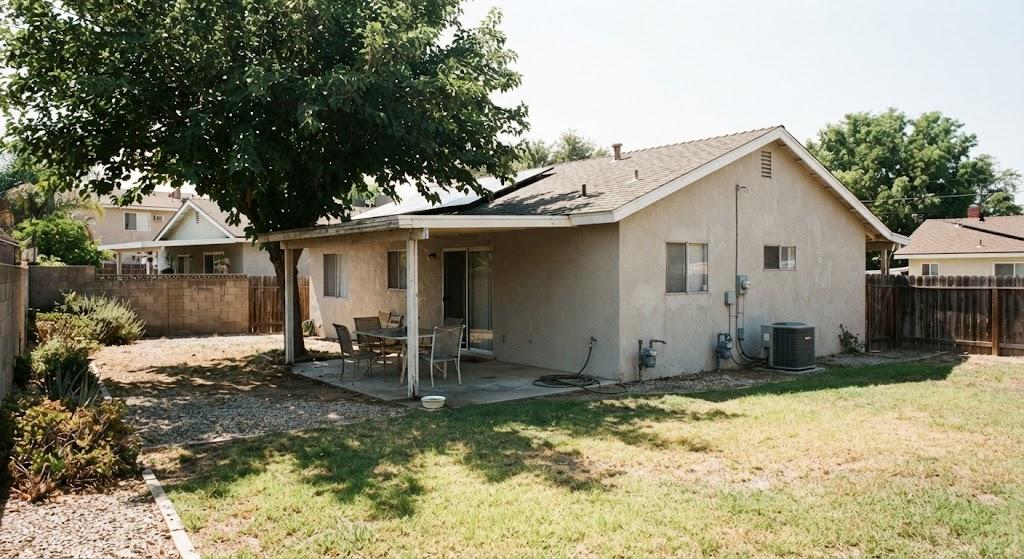
One might have mature shade trees, a covered patio, efficient cooling, and an orientation that keeps the harshest afternoon sun off the main living areas. Another might take direct sun across the yard and the rooms you'd actually use most.
That's why summer comfort isn't only a community question. It's also a property question, and it's one worth walking through in person, not just reading about.
Things worth checking on any East County property before you write an offer:
Age and condition of the HVAC system
Available information about insulation and energy-efficiency improvements, particularly in older homes
Window type and placement relative to afternoon sun
Existing shade from trees or structures
Whether covered outdoor space exists and gets used
Ceiling fans and airflow through the main living areas
Landscaping that adds or reduces heat load near the house
Solar setup, if there is one, and the actual ownership or lease terms behind it
What does East County heat mean for energy costs?
Hotter weather generally means more air conditioning use, so energy consumption is worth factoring into how you evaluate a home. I wouldn't try to predict your future utility bill off a listing sheet, though. Too many variables.
Instead, look at the property itself. How large is the home? How old is the HVAC system? What do you know about the home's insulation and energy-efficiency improvements? Are there solar panels, and if so, is it owned outright, financed, or leased? How much afternoon sun does the house actually absorb?
Purchase price isn't the only number that determines what a house costs you to live in day to day.
Pools can look different once you actually own one
A pool sounds incredible when you're touring homes in July. For buyers who genuinely use one, it becomes a real part of summer life.
But don't evaluate a pool only by imagining yourself swimming in it on the hottest day of the year. Think about maintenance, equipment condition, energy use, and how often your household would realistically use it outside of a few peak weeks.
An amenity only improves your lifestyle if you use it enough to justify owning it.
What about outdoor activities?
Hot summers don't mean people stop spending time outside in East County. They usually just change when people do it.
Earlier mornings and evenings become a lot more important once the heat sets in. If hiking, running, cycling, yard work, or general outdoor time is a big part of why you're considering a move east, think honestly about whether you're willing to shift your routine seasonally. If you want a fuller picture of what's actually available, I've written separately about What Outdoor Activities Are Available in Alpine CA?
Heat, dry conditions, and wildfire awareness
Summer heat overlaps with another ownership factor in parts of East County: wildfire preparedness.
That doesn't mean every property carries the same risk, and heat alone doesn't tell you a specific property's wildfire exposure. But especially in foothill, rural, and semi-rural areas, buyers should understand a property's surroundings, defensible space, vegetation management, and current insurance situation before they get too far into escrow. I cover this in more depth in Is Alpine CA Fire Prone?, which is worth a read if you're looking at anything in the foothills.
Weather is part of the lifestyle. Wildfire preparedness is part of understanding the property itself, and it's a conversation worth having early, not after you're already in contract.
Don't visit East County only during perfect weather
It's easy to fall for East County on a beautiful spring Saturday.
But if you're seriously considering a move, I'd rather you know what the place feels like the rest of the year too. If you can, visit during a warm stretch. Walk the property. Stand in the backyard in the afternoon. Drive the neighborhood around 3 or 4 p.m. Notice where the sun hits the house.
Then ask yourself the real question: would I still like living here on an ordinary August Wednesday, not just during a 72-degree open house?
A pattern I see with buyers
Buyers moving east often start out fixated on the temperature before we've even looked at a single house.
Once we're actually touring, the conversation shifts. They stop asking "how hot does Alpine get" and start asking better questions. Does this house have real shade? How does the backyard feel at 4 p.m.? What's the cooling system actually like? Would we use this outdoor space, or would it just sit there? How much upkeep does this property create once the temperature climbs?
That's a better conversation to be having, because eventually you're not deciding whether you can tolerate a weather forecast. You're deciding whether a particular property works for the way you want to live through that weather, year after year.
Questions worth asking yourself
Am I moving from a coastal or inland community?
How well do I actually tolerate hot weather?
How much time do I spend outside during a typical week?
Would I be willing to shift my outdoor routine during summer?
How much afternoon sun hits this specific house?
Is there real, usable shade?
What condition is the HVAC system in, and how old is it?
How does the home appear to be insulated?
Would I genuinely use a pool, or is it mostly an idea?
What outdoor space would I actually use during summer?
Do I have pets that spend significant time outside?
Have I thought through energy use for this size and age of home?
Have I looked into wildfire and insurance considerations for this property?
Have I experienced this community during hot weather, not just on a mild day?
The most useful question of all: what would an ordinary August afternoon at this house actually feel like?
Frequently asked questions
How hot does East County San Diego get? East County generally runs warmer than coastal San Diego, with summer daily highs in the mid to upper 80s across most communities and record highs in several areas exceeding 110°F. How hot it gets on any given day depends heavily on the specific community, elevation, and property.
Is East County hotter than coastal San Diego? Yes, generally. Coastal San Diego benefits from marine influence that keeps summer temperatures milder. East County loses much of that effect, especially the farther inland and higher in elevation you go.
Does Alpine get very hot in summer? Alpine sees warm to hot summer weather, with mean daily highs around 87 to 89°F in peak summer months and occasional days over 105°F. Buyers coming from the coast should expect a real adjustment and think through how a specific home handles sun exposure and cooling.
Is East County too hot to live in? That's personal. Plenty of residents prefer the inland climate and the tradeoffs that come with it, while others strongly prefer cooler coastal conditions. If heat matters to you, spend time in the community during summer before deciding, not just during a spring visit.
Do I need air conditioning in East County San Diego? Rather than a blanket answer, this comes down to the specific home. Look at the existing cooling system, insulation, orientation, available shade, and your own comfort preferences before assuming what you'll need.
Does it cool down at night in East County? Nighttime lows vary by community and elevation. Alpine, for example, sees mean nighttime lows in the low 60s during peak summer, noticeably cooler than daytime highs. Lower-elevation, more urban areas may hold heat a bit longer into the evening.
Does the weather vary across East County San Diego? Yes. Summer conditions vary by community and can also be influenced by elevation, terrain, distance from the coast, and individual weather patterns. That's why someone comparing La Mesa, El Cajon, Alpine, or Ramona shouldn't assume they'll experience identical summer conditions.
What should I look for in a house if I'm worried about East County heat? Look beyond the forecast and evaluate the specific property. Consider the home's cooling system, afternoon sun exposure, available shade, windows, known insulation or efficiency improvements, covered outdoor areas, and how the spaces you use most feel during warmer parts of the day.
The bottom line
So, how hot does East County San Diego get?
Hot enough that summer weather deserves a real place in your home buying decision, but not so simple that one number tells you whether East County is right for you.
The community matters. The elevation matters. The house matters. Shade matters. Cooling matters. And how you actually want to live matters more than any of it.
If weather is one piece of a bigger decision for you, it's worth stepping back and reading What Are the Pros and Cons of Living in East County San Diego? and What's the Commute From Alpine to San Diego? alongside this one. Heat is rarely the only factor that makes or breaks a move out here.
If you're considering a move east, don't stop at what the temperature gets to. Ask how you'll actually live once it gets there. Visit during warm weather if you can. Walk the property. Stand in the backyard. Notice where the afternoon sun lands. Picture yourself there on an ordinary August Wednesday, not just a perfect spring weekend.
Jacob Menath is a real estate agent with Menath Real Estate Team in Alpine, California, helping buyers and sellers throughout Alpine and East County San Diego navigate major lifestyle transitions.
Menath Real Estate Team | Alpine, CA | Serving San Diego County



