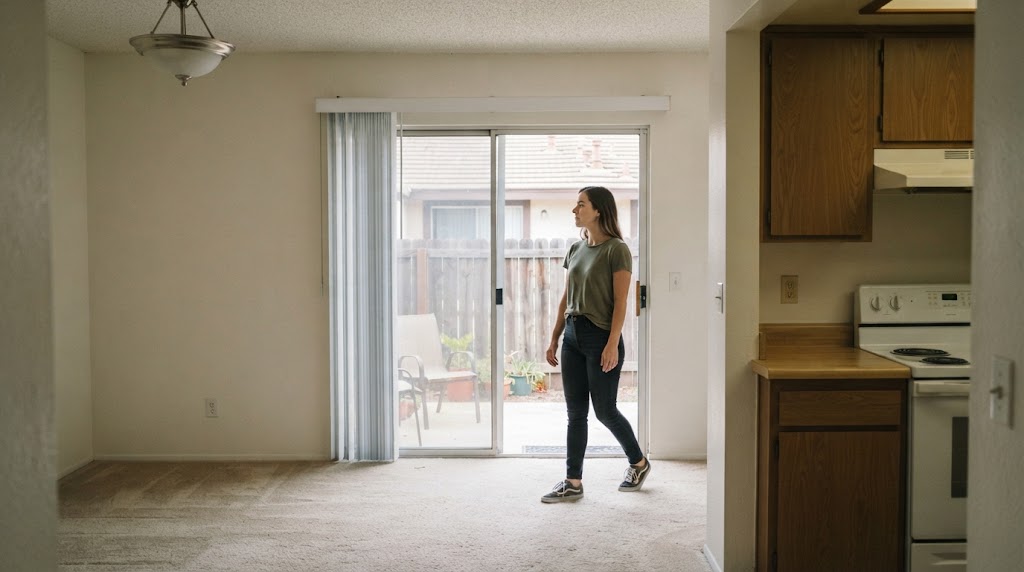
What First-Time Home Buyers Get Wrong in San Diego
What First-Time Buyers Get Wrong About Buying a Home in San Diego
By Jacob Menath, Real Estate Agent in Alpine, CA | Menath Real Estate Team
Helping San Diego buyers make smart long-term real estate decisions
In This Guide
Why first-time buyers feel overwhelmed
The biggest misconceptions buyers believe
Why perfection delays ownership
What buyers misunderstand about timing
Why monthly payment matters more than price
How move-up buyers usually start
What smart first purchases often look like
How buyers should think long term
A lot of first-time buyers in San Diego think they need the perfect market, the perfect house, the perfect interest rate, the perfect down payment, and complete certainty before they can finally pull the trigger.
The problem is, those conditions rarely show up all at once.
Many buyers spend years waiting for a version of the market that never fully arrives. Meanwhile, a lot of homeowners who eventually built meaningful equity got there by starting with something far less ideal than what they own now. Smaller. Older. Less updated. Farther out. Just a starting point.
That gap between what first-time buyers expect and what successful homeowners actually started with is where most of the confusion lives.
What Do First-Time Buyers Usually Get Wrong?
Most first-time buyers focus too heavily on:
Finding a perfect home
Perfectly timing the market
Cosmetic finishes
Short-term interest rates
Comparing themselves to established homeowners
Experienced buyers tend to focus on something different:
Sustainable monthly payments
Long-term ownership potential
Location fundamentals
Future flexibility
Getting started realistically
In San Diego, buyers who think long term instead of chasing perfection usually end up in stronger positions over time. Not because they're smarter, but because they stopped waiting for a moment that doesn't exist and started building something they could grow from.
In Simple Terms
Most first-time buyers struggle because they focus too heavily on:
Perfect timing
Perfect homes
Cosmetic finishes
Comparing themselves to established homeowners
Meanwhile, buyers who succeed long term usually focus more on:
Sustainable payments
Realistic first steps
Location fundamentals
Ownership that creates future options
Why First-Time Buyers Feel So Overwhelmed
Affordability pressure in San Diego is real. Headlines flip between "rates are too high" and "prices are too high" depending on the week. Social media shows beautifully staged homes that look nothing like what's actually for sale in your price range. Family members give advice based on the market they bought in 30 years ago. Friends compare what they bought, when they bought it, and how much they paid.
It's a lot of noise.
If you feel confused, that's not a personal failure. That's just what happens when six different sources are telling you six different things.
Buyers Compare Their Beginning to Someone Else's Middle
Here's something I see constantly. A young couple in their late twenties walks into a showing and compares the home to their parents' four-bedroom house on a half acre. The one their parents have lived in for 25 years. The one they renovated room by room over two decades.
That's not a fair comparison.
A lot of buyers are comparing their first purchase to someone else's 20-year outcome. HGTV doesn't help. Neither does Instagram. Most established homeowners didn't start where they are now. They got there gradually.
Mistake #1: Trying to Buy a Forever Home First
This is probably the most common mindset issue I see with first-time buyers in San Diego.
They want the home that solves every future need right now. Three bedrooms minimum. Two bathrooms. Updated kitchen. Big yard. Good schools. Reasonable commute. Walking distance to coffee. Move-in ready. Under a certain budget.
That home might exist somewhere. It's usually just not available, not affordable, or already in escrow before you can see it.
Your first home's job is usually to create future options, not solve every future need immediately.
That mindset shift changes everything.
Most Move-Up Buyers Started Smaller
Almost every move-up buyer I work with started somewhere modest. A condo. A townhome. A cosmetic fixer. A smaller home in an area that wasn't their first choice.
In East County, that often looks like:
A condo or townhome in Santee or El Cajon
A smaller older home in Lakeside
A starter property in La Mesa that needed paint and flooring
A semi-rural place in Alpine with room to grow into
Those homes weren't always glamorous. But they did the job. They built equity. They created options. And several years later, those same buyers were often in a much stronger position to consider the home they originally wanted.
A Realistic Example
I worked with a couple a few years back who felt discouraged because detached homes in their ideal neighborhood were stretching well beyond their comfortable monthly payment. They almost gave up.
Instead, they shifted their search and ended up buying a smaller townhome in Santee that needed cosmetic updates. Nothing fancy. New flooring. Paint. A few weekend projects.
A few years into ownership, the situation looked very different. Their payment stayed stable while rents in the area kept climbing. They had built up some equity through ownership. And when they eventually started thinking about a move-up purchase, they had options that simply weren't available when they were renting.
Their first home wasn't their dream. It was their starting line. That's usually how this works.
Mistake #2: Focusing on Purchase Price Instead of Monthly Payment
A lot of buyers get fixated on the sticker price of a home. Whether it's $650,000 or $725,000 feels like the whole conversation.
It's not.
The number that actually matters is what hits your bank account every month. That includes:
Principal and interest
Property taxes
Homeowner's insurance (and in some areas, wildfire insurance)
HOA dues if there are any
Mello-Roos in certain newer developments
Realistic maintenance budgeting
PMI if you're putting less than 20% down
A home that's $50,000 cheaper on paper can sometimes cost more per month than a slightly pricier one once you factor everything in. That depends on the property, the tax structure, the HOA, and what kind of insurance the area requires.
Qualifying for a payment and comfortably living with it are two very different things.
Lenders qualify you for what's mathematically possible. They don't know what your life actually looks like. They don't know about your travel habits, your kids' activities, your car payments, your savings goals, or how much margin you need to sleep well at night.
A home only works long term if the payment works long term.
Mistake #3: Waiting for the Perfect Market
Should First-Time Buyers Wait for a Better Market in San Diego?
Probably not, at least not based on market timing alone. There has never been a perfect San Diego market. Every market has tradeoffs. The better question is whether the monthly payment is sustainable for you right now, and whether the home fits your long-term plans. If both of those answers are yes, waiting often costs more than it saves.
Every Market Feels Uncomfortable Differently
In low-rate markets, buyers usually deal with:
Bidding wars
Multiple offers over asking
Waived contingencies
Emotional competition
Less negotiating room
In higher-rate markets, buyers usually deal with:
Affordability pressure
Higher monthly payments
More cautious decision-making
More negotiation opportunities
Less competition on the same home
Time to actually think before writing an offer
Every market creates different problems. Buyers who wait for "the right one" often end up watching prices climb, watching homes they could have bought sell to someone else, and second-guessing their patience years later.
Hindsight makes every past market look obvious. It rarely felt that way at the time.
Mistake #4: Overvaluing Cosmetics
Turnkey homes get bid up. Sometimes well past what they're actually worth on a square-foot basis. Buyers walk in, see fresh paint and new floors and a clean kitchen, and feel an emotional pull they can't quite explain.
Meanwhile, the home next door, same layout, same neighborhood, slightly outdated, sits longer and sells for less.
That gap is opportunity.
Cosmetic Problems and Structural Problems Are Not the Same
This is one of the most useful distinctions a first-time buyer can learn.
Cosmetic issues (often very fixable, sometimes affordable):
Paint colors
Flooring
Outdated kitchens
Old bathrooms
Tired landscaping
Wallpaper
Light fixtures
Structural or systems issues (more serious, more expensive):
Foundation problems
Drainage and grading issues
Roof condition
Electrical panels and wiring
Plumbing supply lines
HVAC age and condition
Septic system condition (common in East County and rural areas)
Well water issues (common in rural foothill properties)
A lot of buyers confuse ugly with bad. They walk away from homes that just need paint and flooring, then overpay for a home that looks pretty but has a 25-year-old roof and a struggling HVAC system.
A good inspection can clarify a lot of this. So can a calm walkthrough with someone who's seen a lot of houses.
Mistake #5: Thinking Everyone Else Has It Figured Out
This one's quieter, but it might matter the most.
A lot of first-time buyers walk into the process feeling like they're the only ones who don't know what they're doing. Like everyone else has it figured out. Like asking basic questions makes them look unprepared.
That's almost never true.
A lot of homeowners looked just as nervous when they bought their first home. They had the same questions, the same doubts, and the same feeling that they were one wrong decision away from financial disaster.
They got through it. You can too. Asking questions doesn't make you a beginner. Not asking is what causes problems.
What Smart First-Time Buyers Focus On Instead
When I work with first-time buyers who eventually look back and feel good about their decision, they almost always had a few things in common.
Smart buyers usually focus on:
Sustainable monthly payments
Long-term ownership potential
Location fundamentals (commute, infrastructure, future demand)
Future flexibility
Realistic first steps
Building equity gradually
Manageable properties
Long-term affordability
Instead of focusing only on:
Perfection
Social comparison
Trendy finishes
Market predictions
Impressing other people
It's a quieter, slower way to think about buying a home. But it tends to hold up better over time.
What Smart Buyers Understand
Experienced first-time buyers usually understand that:
The first home rarely feels perfect
Ownership is a long-term strategy, not a one-time decision
Cosmetic issues can often be fixed
Monthly sustainability matters more than appearances
Waiting forever has costs too
Equity usually builds slowly over time
What Smart First Purchases Often Look Like
A realistic first purchase in San Diego County usually includes one or more of these characteristics:
Condos in central or suburban areas
Townhomes with manageable HOA structures
Cosmetic fixers that need paint, flooring, and minor updates
Smaller homes in established neighborhoods
East County properties with more value per dollar
Homes farther from the coast where prices ease up
Properties with future upside through additions, ADUs, or improvements
None of these are glamorous on day one. None of them get posted on Instagram with hashtags. But they tend to be the homes that put people in a stronger long-term position.
The best first purchase is usually the one that improves your long-term position, not the one that looks the most impressive immediately.
Why Long-Term Ownership Matters
Most homeowners who built meaningful equity did it slowly through ownership over time, not through perfect timing.
That's worth reading twice.
Equity tends to build in a few ways:
Paying down principal over years of ownership
Property appreciation across market cycles
Improvements that add usable value
Tax structures that favor long-term ownership
None of those happen overnight. None of them require buying at the perfect moment. They require buying something sustainable, holding it, and letting time do most of the work.
Common First-Time Buyer Mistakes (Quick Recap)
If you skim only one part of this article, skim this one:
Waiting for perfect conditions that never fully exist
Trying to buy a forever home first instead of a starting point
Comparing yourself to older homeowners who started decades ago
Overpaying for cosmetics while ignoring structural condition
Ignoring long-term affordability in favor of qualifying maximums
Stretching too aggressively without margin for life's surprises
Taking advice from people unfamiliar with today's market
Focusing too much on fear and not enough on strategy
Most first-time buyer regret traces back to one of those eight items.
When Buying May Not Make Sense Yet
I want to be honest about this part. Buying isn't always the right call, and pretending otherwise isn't useful.
It may not be the right time yet if:
Your income is unstable or recently changed
You're carrying high-interest debt that hasn't been addressed
You have no reserves outside of your down payment
Your life plans are uncertain (job moves, relationships, schooling)
You're feeling external pressure rather than personal readiness
The numbers only work by stretching past your comfort zone
Buying before you're financially prepared can create more stress than stability. Renting for another year while you build savings and stabilize your situation is sometimes the smarter move, even if it doesn't feel like progress.
There's no prize for buying first. There's a real cost to buying poorly.
Frequently Asked Questions
What do first-time buyers usually regret?
Most regret comes from stretching too far financially or buying based on emotion rather than long-term fit. Buyers who set a sustainable monthly budget, stayed patient, and bought something they could comfortably afford tend to look back without regret, even if the home wasn't their favorite at first.
Is buying a condo first a bad idea?
Not at all. Condos can be a smart entry point, especially in higher-cost markets like San Diego. The key is understanding the HOA, the building's financial health, and the long-term plan. A well-run condo in a good location often builds equity reliably and creates a strong foundation for a future move-up purchase.
Should first-time buyers wait for lower rates?
Rates are unpredictable. Sometimes waiting pays off, and sometimes prices climb faster than rates fall. The better question is whether the monthly payment is sustainable for you at today's numbers. If it is, the rate becomes less of a deciding factor. If rates drop later, refinancing is an option. If they don't, you've still got a home you can afford.
How much should first-time buyers spend?
Spend within a monthly payment you can sustain comfortably, not within the maximum a lender approves. Most buyers do better when they leave room in their budget for maintenance, savings, and life. Stretching to the top of your approval often creates stress that wasn't there before.
What mistakes do first-time buyers make most often?
The most common ones are waiting for the perfect market, trying to buy a forever home first, overpaying for cosmetic finishes, and ignoring long-term monthly affordability. Most of these come from comparing themselves to established homeowners instead of focusing on their own starting point.
Is East County a good option for first-time buyers?
For many buyers, yes. Areas like Santee, Lakeside, El Cajon, La Mesa, and parts of Alpine often offer more home for the dollar than central or coastal San Diego. The tradeoff is usually commute or distance from certain amenities. Whether that tradeoff makes sense depends on your work situation, lifestyle, and long-term plans.
Should buyers focus on monthly payment or purchase price?
Monthly payment. Purchase price is just one ingredient. Taxes, insurance, HOA, Mello-Roos, and maintenance all affect what the home actually costs to own. Two homes with the same purchase price can have very different monthly costs depending on location and structure.
Final Thoughts
If you're trying to figure out:
Whether buying realistically makes sense for you right now
What kind of first purchase actually fits your situation
How to think about ownership as a long-term strategy
Or how to avoid the most common first-time buyer mistakes
That's exactly the kind of conversation worth having before you start writing offers.
Jacob and Kristin Menath help San Diego buyers think through those decisions clearly, realistically, and without pressure. No urgency tactics. No talking you into something. Just an honest conversation about whether the numbers work, what kind of first purchase fits your goals, and how to set yourself up for the long haul.
About Jacob and Kristin Menath
Jacob and Kristin Menath are real estate professionals based in Alpine, CA, serving buyers and homeowners throughout San Diego County, including East County communities like Alpine, Lakeside, Santee, El Cajon, Jamul, and La Mesa.
They work with:
First-time buyers
Move-up buyers
Downsizing homeowners
Families making long-term ownership decisions
Their approach focuses on practical guidance, thoughtful strategy, and helping buyers make confident real estate decisions that support their future.
Jacob Menath is a real estate agent in Alpine, CA serving San Diego County, helping homeowners make informed, confident decisions when selling their home and navigating major life transitions.
Menath Real Estate Team | Alpine, CA | Serving San Diego County