
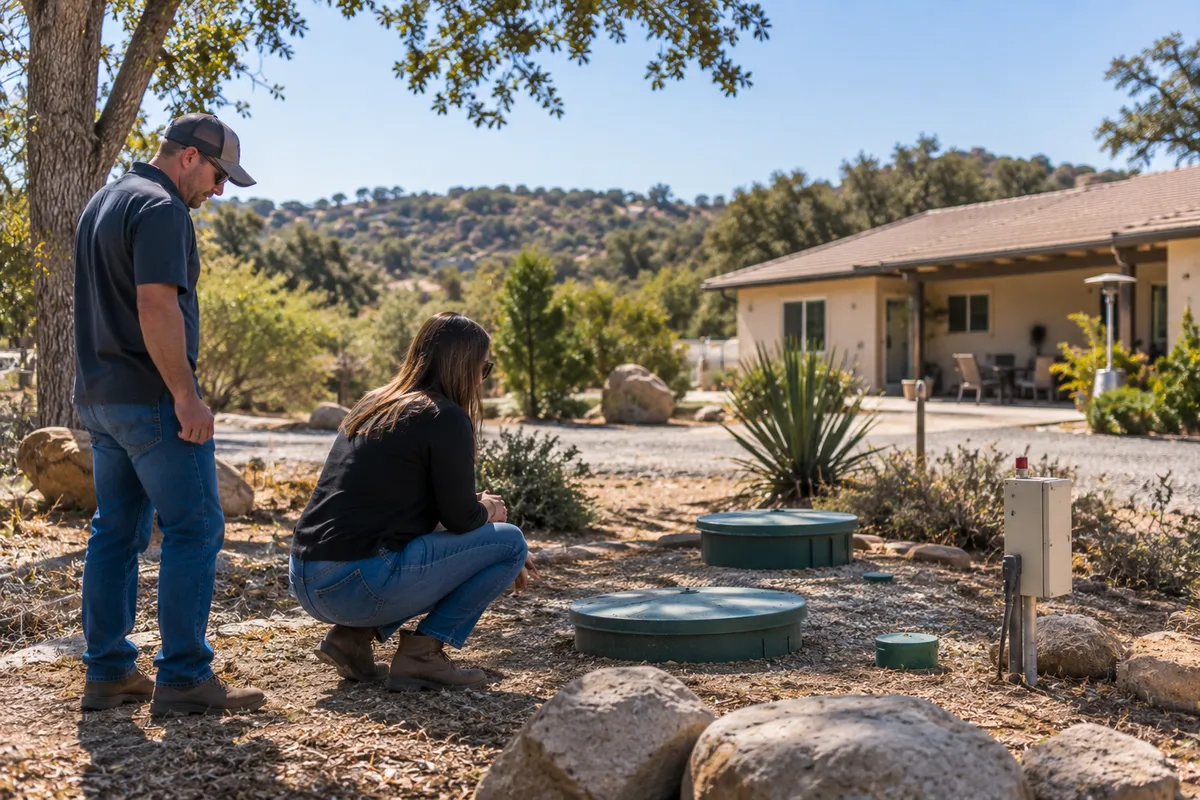
Are Septic Systems Common in Alpine, CA Homes?
By: Jacob Menath
If you're moving to Alpine from a more suburban part of San Diego, there's a good chance you'll come across something during your home search that you haven't had to think much about before: a septic system.
For some buyers, the word "septic" immediately sounds like a problem.
It doesn't have to be.
I'm Jacob Menath, a real estate agent with Menath Real Estate Team in Alpine, California, helping buyers and sellers throughout Alpine and East County San Diego navigate major lifestyle transitions. Homes out here can come with different infrastructure than what you're used to closer to the city, and septic is a question that comes up regularly for buyers who haven't owned a home with one before.
So the better question isn't "does this house have septic?"
It's "what do I need to understand about this particular septic system before I buy the property?"
The short answer
Yes, buyers looking at homes in Alpine will encounter properties that use septic systems rather than conventional sewer service. It's part of the ownership picture for many rural and semi-rural properties, and the presence of a septic system alone isn't a reason to assume there's a problem.
But don't assume every Alpine home has septic, and don't assume every septic system is the same. For any specific property, you want to understand what wastewater system actually serves the home, what's known about its condition and maintenance history, and what inspections or evaluations make sense before you close.
A septic system isn't automatically a problem. A septic system you haven't investigated is a question.
Why do some Alpine homes have septic systems?
Alpine includes rural and semi-rural properties where homes may not be connected to a conventional public sewer system. In those cases, wastewater is handled by an onsite septic system instead.
If you're coming from a neighborhood where sewer service is just part of everyday life, this can feel unfamiliar. But it's something buyers can encounter with rural and semi-rural properties here, and it comes up often enough that it's worth understanding before you're deep into a transaction.
Different infrastructure doesn't necessarily mean worse infrastructure. It means different responsibilities, which is really the heart of what I want you to take away from this.
Don't assume septic just because a property has acreage
This one trips buyers up more than you'd think.
A larger lot or a rural-looking property doesn't automatically tell you how wastewater is handled. And being located in Alpine doesn't answer the question either. Some homes here are on sewer, some are on septic, and the only way to know is to verify the actual property you're looking at.
"Homes around here use septic" isn't the same as "I know what wastewater system serves this house." I'd rather you start from the second statement.
How a septic system actually works
I'll keep this simple, because I'm not a septic contractor and I don't want to pretend to be one.
At a basic level, an onsite septic system receives wastewater from the home and treats and disperses it on the property, rather than sending it through a public sewer connection. There are different types of systems and configurations, so the exact setup on a given property matters quite a bit.
As your agent, I'm not evaluating the engineering of the system or telling you whether it's functioning properly. That's where a qualified septic professional and the applicable county records come in. My job is to help you know what questions to ask and who should be answering them.
You don't need to become a septic expert to buy the house. You do need the right expert involved when the system matters.
What buyers should find out about the existing system
Start with the system that's actually on the property in front of you, not septic systems in general. Depending on the home and what records are available, that usually means asking:
What type of wastewater system serves the property?
Where is the system located?
What's known about its installation or history?
What maintenance or service records exist?
Have there been any known repairs or modifications?
What does a current evaluation show?
What documentation or county records, if any, are available for this system?
Does your intended use of the property raise any additional questions?
The goal isn't to prove that septic is good or bad. It's to understand this system, at this house.
Don't buy "a house with septic." Understand the septic system that comes with the house you're buying.
A septic inspection isn't the same as a general home inspection
Your general home inspection matters, and I'll always recommend one. But it doesn't answer every question about specialized systems like septic.
If the home you're considering uses septic, talk with the appropriate professionals about what kind of evaluation makes sense for that particular system and that particular transaction. It's a similar principle to the difference between a VA appraisal and a home inspection: two different tools, answering two different questions, and you want both when they apply.
The more specialized the system, the more important it is to know who should actually be evaluating it.
Maintenance history is worth asking about
When it's available, ask what the seller knows about the system's maintenance and service history. That can give you useful context about how the system has been cared for over the years.
But records shouldn't replace a current professional evaluation when one is appropriate. History tells you the story so far. Current due diligence tells you what you're buying today.
Septic comes with different ownership responsibilities
If you've always lived with public sewer service, the biggest adjustment may simply be realizing that part of the wastewater infrastructure is now yours to think about.
Depending on the system, that can mean ongoing maintenance, periodic servicing, and eventual repair or replacement considerations down the line. I'm not going to tell you "pump it every X years," because the right maintenance approach depends on the actual system, how the household uses it, and professional guidance specific to your property.
With sewer, most of that infrastructure disappears from your daily thinking. With septic, understanding your own system becomes part of owning the property.
Septic doesn't automatically mean expensive
Some buyers hear the word septic and immediately start picturing a huge future bill. That's not a useful way to evaluate a property.
At the same time, I wouldn't tell you that septic is inexpensive or worry-free either. The real ownership picture depends on the specific system, its condition, how well it's been maintained, the property itself, and any work that might eventually be needed.
Don't price the fear of septic. Investigate the actual system.
The location of the septic system can matter to your future plans
This is where septic starts to connect to decisions you might not be thinking about yet.
Don't think only about whether the current home uses the system today. Think about what you eventually want to do with the property. Are you picturing an addition, an ADU, a pool, a workshop, a barn or animal area, or major landscaping down the road?
Those future plans can raise property-specific questions involving the septic system, where it's located, and what's required to work around it. Open land on the parcel doesn't automatically mean it's available land for your next project.
If a future improvement is important to your decision to buy the property, investigate that plan before assigning value to the possibility.
Don't assume the neighbor's septic tells you anything about yours
This one is particularly important on acreage.
It's easy to see a neighboring property with a similar-sized lot and assume your property can support the same setup. I wouldn't rely on that. Parcel characteristics and existing systems can differ from one property to the next, even next door to each other.
A neighboring property's septic system tells you about the neighboring property. Your parcel still needs its own answers.
What if there's a problem with the septic system?
If due diligence turns up a concern, try not to jump to either extreme. It's not automatically "the house is a disaster," and it's not automatically "it's probably nothing" either.
First, understand what was actually found. Then get information from the appropriate septic professional about the condition, the realistic options, and next steps. From there, you can weigh the issue in the context of the whole purchase, rather than reacting to the word septic on its own.
A septic concern is information. What you do with that information depends on the actual problem and the property you're buying.
Septic is part of the property, not just part of the house
This is a mindset shift I try to walk buyers through early, because it applies to more than just septic.
When you're evaluating a conventional suburban home, most of your attention naturally goes toward the structure itself. On an Alpine property, some of the important systems extend beyond the walls of the house. Septic is one example. Water infrastructure, drainage, private roads, and fencing can be others.
Rural due diligence starts with the house. It just doesn't end there.
A common question from buyers
A buyer sees "septic" in the property information and immediately asks, "is that bad?"
I'd rather change the question. Instead ask, "what do we know about this system?" Once you have actual information about the property in front of you, you can make a far better decision than you can from the word "septic" alone.
The system's condition matters more than the label.
Questions worth asking yourself
What wastewater system serves this property?
Where is the septic system located?
What records are available?
What maintenance history is available?
Have repairs or modifications been disclosed?
What professional evaluation should I obtain?
What does the current evaluation tell me?
Are there questions that need further investigation?
What ongoing maintenance will I be responsible for?
Do my future plans for the property create additional septic questions?
Am I assuming something about the system that hasn't actually been verified?
If I have future plans for this property, have I investigated how the existing septic system may affect them?
Who is the appropriate professional to answer the septic questions my due diligence raises?
The big question underneath all of them: do I understand the septic system I'm actually buying, not just septic systems in general?
Frequently asked questions
Are septic systems common in Alpine, CA? Buyers searching in Alpine will encounter homes with septic systems, particularly among rural and semi-rural properties. Wastewater service still varies by property, though, so verify the actual system serving the home you're considering rather than assuming based on location or acreage.
Is buying a house with septic a bad idea? Not automatically. A septic system is simply a different way of handling wastewater. The more important questions involve the specific system, its condition, available history, appropriate evaluation, and the responsibilities you'll take on as the owner.
Should I inspect a septic system before buying an Alpine home? If the property uses septic, it's worth discussing appropriate septic due diligence with your agent and qualified septic professionals, rather than assuming a general home inspection covers every system-specific question.
How often does a septic system need to be pumped? There isn't a universal answer here. Maintenance needs vary depending on the system and how it's used. Buyers and owners should follow guidance from qualified professionals and applicable local authorities for their specific system.
Can a septic system affect adding an ADU or addition? Potentially. If your future plans involve expanding or changing the property, the existing wastewater system and applicable requirements may become part of the feasibility picture. Verify the specific project rather than assuming open acreage means the improvement will work.
Is septic more expensive than sewer? There isn't a universal answer to that either. Sewer and septic create different expenses and responsibilities. It's better to evaluate the actual septic system and likely ownership responsibilities than to rely on a generic comparison.
Who should evaluate a septic system when I'm buying a home? Use a qualified septic professional appropriate for the property and system involved. Your real estate agent can help coordinate the transaction, but shouldn't substitute for the specialist evaluating the system itself.
What should I ask about a septic system before buying a home in Alpine? Start by confirming what wastewater system actually serves the property. Then ask what records and maintenance history are available, where the system is located, whether known repairs or modifications have occurred, what professional evaluation is appropriate, and whether your future plans for the property create additional questions. The goal isn't to decide whether septic is good or bad. It's to understand the specific system you're buying.
Can I build over a septic system or drainfield? Don't assume an open area of the property is automatically available for construction or another improvement. If your plans could affect the existing septic system or surrounding area, verify the specific requirements and feasibility with the appropriate professionals and local authorities before relying on that space for a future project.
The bottom line
Septic systems are something you'll encounter when looking at homes in Alpine and rural East County San Diego. That shouldn't automatically scare you away, and it shouldn't automatically reassure you either.
Treat septic the way you should treat any important property system: understand what you're buying. Find out what system serves the home. Review whatever information is available. Bring in the right professional. Think about your future plans for the property. Then make the decision based on the specific property in front of you, not assumptions about septic in general.
Because the important question was never "does this house have septic?" It's "do I understand the septic system that comes with this house?"
Jacob Menath is a real estate agent with Menath Real Estate Team in Alpine, California, helping buyers and sellers throughout Alpine and East County San Diego navigate major lifestyle transitions.
Menath Real Estate Team | Alpine, CA | Serving San Diego County



Have questions?
Menath Real Estate Team
Jacob & Kristin Menath, REALTORS®
2710 Alpine Blvd Ste K PMB 10106
Alpine, CA 91901
www.menathrealestate.com
CA DRE #01742516 | CA DRE #01522683