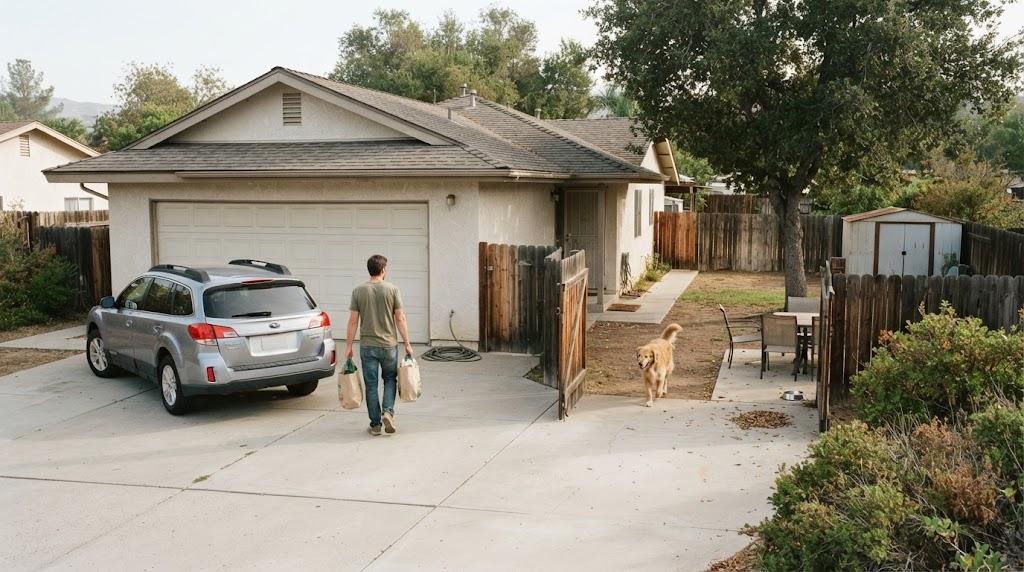
What Features Make a Home Easier to Rent in Alpine?
If you're thinking about renting out your Alpine home, it's easy to start with one question.
"How much could I rent it for?"
That's a fair question. But there's another one I'd ask first.
"How easy would this particular property actually be for a tenant to live in?"
I'm Jacob Menath, a real estate agent with Menath Real Estate Team in Alpine, California, helping buyers and sellers throughout Alpine and East County San Diego navigate major real estate and lifestyle transitions.
Alpine isn't one type of housing stock. You've got conventional neighborhood homes, custom builds, acreage, horse properties, and rural parcels running their own water and power systems. Two homes with nearly identical square footage can be completely different rentals once you look past the listing photos.
The features that make a home impressive during a showing aren't always the features that make it practical to actually live in.
The short answer
Homes tend to be easier to rent in Alpine when they offer some combination of:
A functional bedroom and bathroom layout
Reliable heating and cooling
Useful, understandable parking
Outdoor space that's actually usable
Enough storage
Straightforward property access
Confirmed internet service at the address
Features that may work well for households with pets, such as appropriate outdoor space
Interiors that are durable rather than flashy
Property systems the tenant can understand and live with
Manageable landscaping and acreage
Reasonable proximity to Interstate 8 and everyday services
Not every renter wants the same thing. And not every Alpine property needs every item on that list.
A good rental isn't just a house someone liked when they walked through it. It's a property that works well for everyday life, week after week.
A functional layout matters more than flashy upgrades
Start with usability before anything else.
A beautifully renovated home can still feel awkward if the layout doesn't work. Gorgeous finishes don't fix a bedroom configuration that doesn't make sense for how people actually live day to day.
Practical questions worth considering include:
Are the bedrooms positioned reasonably, or does one back up right against the living room?
Are there enough bathrooms for the household?
Is there usable living space, or does square footage disappear into odd hallways?
Is there room to work from home?
Does the kitchen function, or does it just look nice in photos?
Is there useful storage, or was it sacrificed for an open floor plan?
Before asking whether the house looks impressive, ask whether it lives comfortably.
Heating and cooling matter here
Alpine's climate is real, and it's worth paying attention to when you're thinking about a rental.
I'm not going to tell you every renter requires central air or that a particular system is a dealbreaker, because that depends on the person and the property. What I would tell a homeowner is this: look carefully at how comfortable the home is during both the hotter and cooler parts of the year, and be honest with yourself about whether the existing systems are practical for daily use.
If the property has older or unusual equipment, understand how it works and what it costs to run before you market the home. A tenant will find out quickly either way.
Climate comfort isn't something people only notice during a showing. It's something they live with every single day.
If you're unfamiliar with the climate difference between Alpine and coastal San Diego, I've also covered what East County temperatures are actually like in a separate article.
Parking can matter more than owners expect
This one surprises people, especially in a community that isn't dense.
Think through:
Garage space
Driveway capacity
Where guests would actually park
How easy it is to turn a vehicle around
General vehicle access
Whether the driveway is steep or unusual
If you own an acreage or rural property, resist the urge to just write "tons of parking" in a listing. Having land and having convenient, usable parking aren't automatically the same thing. Wide open space can still make day-to-day parking a hassle if the grading is awkward or the driveway wasn't built with regular turnaround in mind.
Outdoor space is an Alpine advantage, if it's usable
Outdoor space is one of the reasons people choose Alpine over a denser community in the first place. But acreage by itself doesn't automatically make a rental more desirable.
Ask yourself:
Is there a usable yard, or is most of the lot unusable terrain?
Is any of it fenced?
Is there a patio or another spot to actually sit outside?
Is the terrain practical for everyday use?
How much maintenance does the outdoor space require?
How will ongoing upkeep be handled?
Does the space genuinely support how someone would want to live there?
Renters don't live in the acreage number on the listing. They live in the parts of the property they can actually use.
Pet-friendly features can broaden appeal
Some features, like a fenced yard, durable flooring, or convenient outdoor access, can be appealing to households with pets.
I'll keep this section short on purpose. Screening policies, pet deposits, assistance animals, and California's rules around them are their own conversation, and it's not one I'm going to cover here. A property's physical features and a landlord's legal rental policies are two separate topics. For the legal side, that's a conversation for a qualified California landlord-tenant professional.
Storage is easy to underestimate
An Alpine property might come with garage storage, closets, a shed, a workshop, an outbuilding, or space that could work for an RV.
Before you count any of that as a selling point, get clear on what's actually included in the tenancy and appropriate for tenant use. Extra structures only add value to a rental if the tenant can use them safely and as intended. Not every shed on the property needs to be part of the deal.
Internet availability can be a bigger question than people expect
This is one of the more Alpine-specific items on the list, and it deserves its own section.
Someone might genuinely love the property. The privacy, the views, the space. But none of that compensates for internet service that doesn't meet their needs, especially if they work from home.
I wouldn't say "Alpine has bad internet," because that's not accurate or fair to the area. What I would say is that service can vary quite a bit by property, especially as you move into more rural pockets. Availability somewhere in Alpine isn't the same thing as availability at a specific address. Confirm what's actually available at the home before you assume it's covered.
"Available in Alpine" and "available at this address" aren't the same answer.
Easy access can matter on rural properties
A home might have a long driveway, a steep approach, a private or shared road, a gate, or a parking and turnaround setup that isn't obvious to someone who's never been there.
None of that automatically makes a property a bad rental. But it's worth understanding what everyday access actually looks like, not just what it looks like the day you show the house.
A property's privacy can absolutely be part of its appeal. But the tenant still has to get home every day, in the dark, in the rain, with groceries in the car.
Property systems need to be understood before you rent the home
I want to be careful here, because I don't want to suggest that septic systems, wells, propane, or other rural infrastructure make a home undesirable. They don't. A lot of Alpine's best properties run on exactly that kind of system.
What I would say is that rural infrastructure can work perfectly well in a rental, as long as both the owner and the tenant understand how the systems operate and what responsibilities need to be clarified under the applicable lease and legal requirements.
Depending on the property, that could touch on:
Septic
Private water systems
Propane
Gates
Private or shared roads
Other property-specific systems
Different infrastructure doesn't make a bad rental. It usually just means there's more for the owner to understand and manage up front.
Durable finishes may matter more than expensive finishes
A lot of homeowners assume they need a full remodel before they can rent a property out. Often, that's not the case.
The more useful questions are simpler:
Is the property clean?
Does everything function?
Are the major components in reasonable condition?
Are the finishes practical for repeated, everyday use?
Are there obvious maintenance issues that need attention first?
A rental doesn't necessarily need luxury finishes. It needs to function well and hold up to regular life. I wouldn't assume a particular flooring, countertop, or cosmetic upgrade will pay for itself without first understanding the property and its rental market.
Acreage can be an asset, or a responsibility
This one is worth sitting with if you own more than a standard lot.
Usable outdoor space is one question. The cost and responsibility of maintaining the rest of the property is another.
A tenant might love the privacy, the room, the views, and the outdoor living space that comes with acreage. At the same time, more land can mean more vegetation to manage, more fencing, more gates, longer driveways, drainage considerations, trees, and general upkeep.
More land can create more appeal. It can also create more property to manage, for both you and the tenant, depending on how the lease is structured.
Horse property is its own rental category
If a property is genuinely set up for horses, features like appropriate facilities, usable land, access, fencing, and storage can matter a great deal to the right renter.
But I wouldn't assume horse property automatically means an easier rental. It's a more specific renter pool. A specialized property can be extremely appealing to the right person without being designed for every renter who might consider Alpine.
If you're weighing whether a horse setup makes sense for your property in the first place, that's a topic I've covered separately as well.
Location within Alpine still matters
Not every Alpine home offers the same daily routine, even within the same town.
A renter may care about proximity to Interstate 8, everyday shopping and services, commute routes, recreation, privacy, and the places they regularly need to reach.
I'm not going to tell you one pocket of Alpine is "better" than another. What I'd say instead is that someone choosing Alpine often wants more space without wanting every daily errand to turn into a project. Where the property sits affects how true that ends up being for them.
Don't over-improve a home just because you're renting it
This one is important, and it's a common spot where homeowners spend money they didn't need to.
Before you put significant money into preparing a home for rent, ask yourself a straightforward question: will this improvement actually change the property's rental appeal enough to justify the cost?
I'd separate repairs the property genuinely needs from upgrades you're assuming a tenant will pay meaningfully more for. Those aren't always the same list. Don't renovate for an imaginary renter before you actually understand your local rental market.
The best rental features depend on who the property naturally fits
This is really the idea that ties everything else together.
A conventional three-bedroom home near town and a multi-acre horse property aren't competing for the same renter. So the question isn't "what does every renter want?" It's "who would realistically choose this particular property, and what would make their everyday life here easier?"
The better you understand who a property naturally fits, the easier it becomes to figure out which features on that earlier list actually matter for your situation.
A home can be rentable without being the right rental for you
Here's the part that homeowners sometimes skip past too quickly.
Maybe your home could attract renters. Maybe the rent you'd project looks reasonable on paper. That still doesn't answer a different question: should you keep it?
That comes down to things like rental income, ongoing ownership expenses, vacancy risk, repairs, management, how complicated the property's systems are, your equity position, your plans for your next home, and honestly, whether you want to be a landlord at all.
"Could I rent this?" and "should I keep this as a rental?" are two different questions, and it's worth answering them separately.
A common homeowner scenario
A homeowner starts out thinking, "It's a nice house. Someone will definitely rent it."
Maybe. But the useful questions get more specific after that.
What would realistic rent actually be? Who's the likely renter? How easy is the property to maintain? How complicated are the systems? How much of the outdoor space is genuinely useful, versus just acreage on paper? What stays the owner's responsibility once someone moves in? And after all that, does keeping the property still make sense?
The house doesn't need to appeal to everybody. It needs to make sense for the renter it's most naturally suited to, and for the owner who has to keep owning it.
Questions worth asking yourself
What could this home realistically rent for?
Who would naturally be interested in this type of Alpine property?
Is the layout functional?
Is heating and cooling practical here?
Is parking genuinely convenient?
Is the outdoor space actually usable?
What internet service is confirmed at this address?
How easy is everyday property access, not just showing-day access?
What storage is actually available to a tenant?
What rural systems will need ongoing attention?
How much of the acreage needs regular maintenance?
Do any specialized features narrow or strengthen the renter pool?
What repairs should happen before renting?
Which upgrades am I only assuming renters will want?
What responsibilities stay mine as the owner?
Does the realistic rent justify keeping the property?
If I didn't already own this property, would I choose it today as a rental investment?
The bigger question underneath all of it: would I still want to own this property if I evaluated it purely as a rental, instead of as the home I already know and love?
Frequently Asked Questions
What features do renters look for in Alpine, CA?
There isn't one universal checklist, but practical features like a functional layout, working heating and cooling, useful parking, usable outdoor space, storage, confirmed internet service, and convenient property access tend to matter. Which features matter most depends on the type of property and the renter it naturally fits.
Does acreage make an Alpine home easier to rent?
Not automatically. Acreage can appeal to renters looking for privacy, outdoor space, or specialized uses, but it can also add maintenance and management considerations. Usable land tends to matter more than the acreage number alone.
Are horse properties easy to rent in Alpine?
They can be very appealing to a specific renter who needs equestrian facilities, but they're a specialized property type rather than something every renter is looking for. It's worth evaluating the actual facilities, land, access, maintenance responsibilities, and likely renter pool before assuming demand.
Does a rental home need to be remodeled before I rent it?
Not necessarily. Start by focusing on condition, functionality, needed repairs, and the features that matter to the property's likely renter. I wouldn't assume expensive cosmetic upgrades will automatically produce enough additional rent to justify the cost without looking at your specific market.
Is internet important for an Alpine rental?
It can be, especially for tenants who work from home or rely heavily on connectivity. Availability varies by address, so it's worth confirming actual service options at the property rather than assuming general coverage across Alpine applies to your home.
Does having a fenced yard make a rental more appealing?
It can appeal to some renters, particularly those who value private outdoor space. How useful it actually is depends on the property's layout, condition, intended use, and the landlord's own policies and applicable legal requirements.
Does having more bedrooms make an Alpine home easier to rent?
Not automatically. Bedroom count can affect which renters a property may work for, but layout, condition, bathrooms, parking, access, outdoor space, location, and overall rental cost matter too. A higher bedroom count doesn't automatically make one property a stronger rental than another.
How much could my Alpine home rent for?
That depends on the specific property, including its location, size, condition, layout, parking, outdoor space, amenities, property systems, and current competing rentals. I'd look at comparable rental activity for the actual property rather than relying on a general Alpine rent estimate.
How do I know if my Alpine home would make a good rental?
Look past whether someone would rent it at all. Consider realistic rent, likely renter demand, condition, layout, access, utilities, maintenance, management, vacancy risk, ownership expenses, and how much responsibility you'll retain. Then weigh that against what selling the property might allow you to do instead.
The bottom line
The features that make an Alpine home easier to rent aren't necessarily the most expensive ones.
Start with practicality. A functional layout. Comfort. Parking. Usable outdoor space. Storage. Confirmed internet. Easy access. Property systems that are understood and manageable.
Then look at what makes your particular property different. Maybe that's acreage. Maybe it's privacy. Maybe it's a horse setup. Maybe it's simply a comfortable home close to town with a straightforward drive to Interstate 8.
The goal isn't to make the house appeal to every renter in San Diego County. It's to understand who the property naturally fits, and whether the home works well for that person's everyday life.
Then there's the question that matters even more than any of this.
Does keeping this property as a rental still make sense for you?
Jacob Menath is a real estate agent with Menath Real Estate Team in Alpine, California, helping buyers and sellers throughout Alpine and East County San Diego navigate major real estate and lifestyle transitions.
Menath Real Estate Team | Alpine, CA | Serving San Diego County



