How to Attract Qualified Tenants to Your Alpine Rental
If you're getting an Alpine home ready to rent, it's easy to start making a renovation list. New flooring. New countertops. Fresh landscaping. Maybe new appliances.
Some of those improvements might make sense down the road. But before you spend thousands of dollars, I'd ask a simpler question first.
What would make this home easier for a prospective tenant to understand, trust, and comfortably live in?
I'm Jacob Menath, a real estate agent with Menath Real Estate Team in Alpine, California, helping buyers and sellers throughout Alpine and East County San Diego navigate real estate and lifestyle transitions. With Alpine properties, getting a place ready to rent can involve more than making the inside look good.
Depending on the home, renters may also need to understand parking, internet availability, acreage, septic, private water systems, propane, gates, roads, or outdoor maintenance. None of that makes a rural property harder to rent. It just means there's more to explain clearly.
The goal isn't to make the property perfect. It's to make it functional, understandable, and appropriate for the rental market you're actually in.
The short answer
Before marketing an Alpine rental, I'd focus on:
Necessary repairs
A clean, functional interior
Reliable heating and cooling
Clear parking arrangements
Usable outdoor areas
Confirmed internet options
Appropriate storage
Well-understood utilities and property systems
Clear information about which utilities or services are included
Manageable landscaping
Safe, practical property access
Clear information about what's included with the rental
Accurate, high-quality marketing
For horse properties, acreage, or homes with septic, private water, or propane, you'll also want to be able to explain those systems clearly rather than gloss over them.
The best preparation usually isn't adding the most features. It's removing uncertainty about how the property actually works.
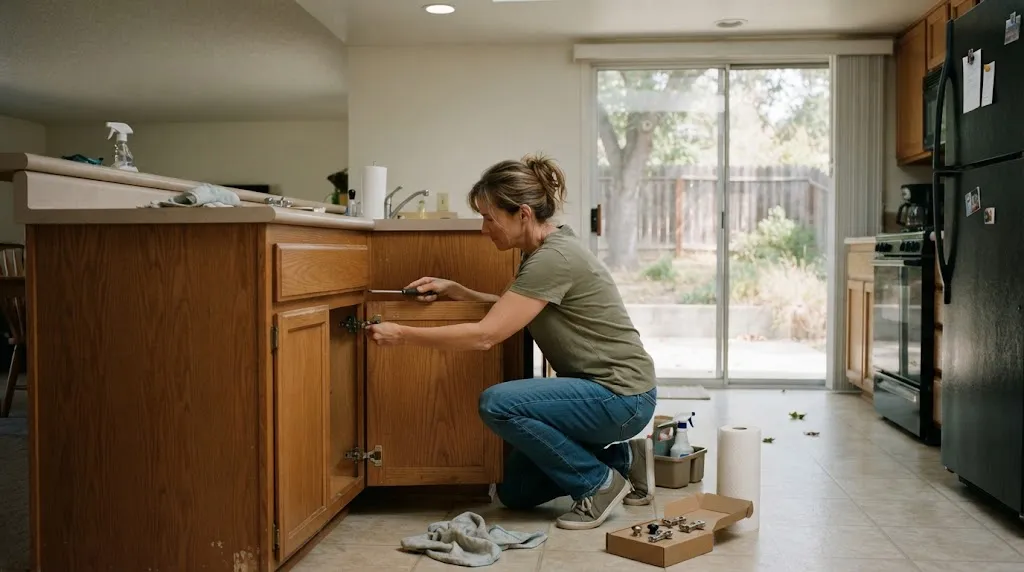
Fix problems before you focus on upgrades
Start here, before you think about anything cosmetic.
Look at what isn't working properly. Plumbing issues. Broken fixtures. Doors or windows that stick or don't latch. Heating or cooling problems. Damaged surfaces. Deferred maintenance. Anything that affects getting to or into the property.
For questions about what California landlords are legally required to provide or repair, that's a conversation for a landlord-tenant professional, not me. From a real estate standpoint, though, I'd start by separating genuine property problems from optional cosmetic upgrades. Repair first. Upgrade second.
Clean and functional usually beats over-renovated
A rental doesn't need designer finishes. It does need to feel cared for.
From a property-preparation standpoint, I'd pay attention to whether the home is clean, appliances and fixtures function properly, rooms feel maintained, and storage is genuinely usable. That's most of what's actually being evaluated during a showing.
I'd be cautious about spending heavily to create a luxury rental before you've established that the rental market will actually reward it. I've written more about that groundwork in a separate piece on what makes a home naturally easier to rent in Alpine, if you want to start there.
Make heating and cooling easy to understand
Given how hot Alpine summers get, don't make prospective renters guess how they'll heat and cool the home.
If the property uses conventional HVAC, that's straightforward. If it uses something different, whether that's mini-splits, a wood stove as a supplement, or an older system, understand it well enough to explain it accurately. I've covered Alpine and East County's warmer climate separately if you're trying to understand why heating and cooling deserve attention here. Comfort matters, but so does clarity about how the home stays comfortable. I'd avoid promising anything about what utility costs will actually run.
Confirm internet before you advertise it
This one is worth its own section, because it comes up constantly in Alpine.
Don't advertise "high-speed internet available" because a neighboring property has it. Verify what providers and service options are actually available at the specific address. For a renter who relies on internet service for work or everyday life, confirmed availability may matter more than another cosmetic upgrade. Just don't guarantee speeds or reliability you haven't verified directly with the provider.
Make parking obvious
If the property has a garage, driveway parking, a designated area, gates, or space for an RV, spell out exactly what's actually available to a tenant. If there's RV-related space, verify what the property actually accommodates before advertising it that way, rather than assuming from lot size alone.
This matters more with rural properties than people expect. An aerial photo of open land can make it look like vehicles can go anywhere, and that's rarely true once you factor in septic fields, easements, or terrain. Open land isn't automatically usable parking.
Make outdoor space usable, not just photogenic
Outdoor space can be a big part of an Alpine property's appeal. But I'd focus on usability over how it photographs.
Is there a functional patio? A fenced area? Yard space someone could actually use day to day? Clear access to it? Is there excess vegetation or deferred maintenance that needs attention before listing? How ongoing upkeep will be handled should be clearly addressed using an appropriate rental agreement and current professional guidance.
A smaller, usable outdoor area often matters more in everyday life than a larger piece of land nobody quite knows what to do with.
Be clear about storage and outbuildings
This comes up often with Alpine properties. If there's a shed, workshop, barn, detached garage, or other storage building, decide upfront what's actually part of the rental.
Don't advertise a structure as tenant storage if it isn't intended, safe, or appropriate for that use. Don't make prospective renters guess which parts of the property they're actually renting.
Explain rural property systems clearly
This is where Alpine rentals really differ from a typical suburban listing. Depending on the property, there may be septic, private water infrastructure, propane, solar, gates, or private or shared roads.
None of that makes the property inferior. But someone coming from a conventional home in a city or a more built-out suburb may simply be unfamiliar with how these systems work. Clear information about a septic system, private water system, propane, or other rural infrastructure can make the property's day-to-day operation easier to understand. If you want more detail on how common these systems are locally, I've written separately about septic systems in Alpine homes.
Don't forget everyday access
Picture an ordinary evening. Someone gets home after dark, carrying groceries. It's raining. They need to open the gate, navigate the driveway, park, and get inside.
That's a more useful way to evaluate access than looking at the property on a sunny Saturday afternoon. Privacy can be genuinely appealing. Everyday inconvenience usually isn't.
Specialized properties need specialized preparation
A horse property is the obvious Alpine example. If you're offering genuine equestrian features, be specific about what you're actually offering: usable facilities, fencing, storage, access, and land.
Don't simply label something "horse property" and leave it at that. Specialized features are most valuable when a prospective renter can clearly understand what they're getting. I've also written about buying horse property in Alpine, if that's useful background on what these properties typically include.
Good marketing is part of preparing the rental
A well-prepared property can still be poorly presented. The listing should accurately communicate layout, condition, parking, outdoor space, storage, access, relevant systems, and location.
Photos should help someone understand the property, not just make it look dramatic. If a feature requires explanation in person, it's worth asking whether the listing should explain it before someone schedules a showing. Good rental marketing should reduce surprises, not create them.
Market the property, not a preferred type of tenant
This part matters, and it's worth being direct about it.
Rental marketing and tenant screening are governed by federal and California Fair Housing requirements. That means the goal isn't to attract a particular type of person, whether that's families, retirees, young professionals, or any other group. Market the property and its features, not your preferred type of tenant.
For screening criteria, advertising language, assistance-animal questions, or anything else touching on Fair Housing, that's an area to get current professional guidance on rather than improvise.
Consistent screening matters more than finding the "perfect" tenant
An owner's goal should be a lawful, consistently applied qualification process, not trying to identify who "looks responsible" on a walkthrough.
Once applications start coming in, tenant qualification becomes a separate conversation from property preparation. Screening criteria and procedures need to comply with applicable California and federal requirements, so that's another area where I'd want an owner getting current professional guidance rather than working from general advice. Property preparation can attract interest. Proper screening determines how applicants are evaluated.
Don't spend money until you understand realistic rent
This is the financial center of the whole decision.
Before making expensive improvements, ask what the property could realistically rent for as-is, after necessary repairs. Then ask what it could realistically rent for after the improvements you're considering. I can help provide local real estate and rental-market context, although future rental income can't be guaranteed.
Generally speaking, I'd avoid spending heavily on upgrades without a reasonable sense of whether the rental market is likely to value them.
Being ready to rent doesn't mean you should keep the property
Here's a pivot worth sitting with for a moment.
You might discover that your home would make a genuinely appealing rental. That's useful information. But it's a separate question from whether renting it out is the right move for you. That decision depends on realistic rent, ongoing ownership costs, vacancy risk, maintenance, management, the complexity of the property itself, your equity position, and what you're planning to do next.
Making a home rentable and deciding to remain its owner are two separate decisions, and it's easy to blur them together when you're standing in the middle of repairs and showings.
A common homeowner scenario
A common starting question is, "What should I upgrade before I rent it?"
That's often too early a question. First: what actually needs repair? What already works well? What features matter for this specific property? What information needs to be clarified for a prospective tenant? And what would realistic rent look like without a major remodel?
Only once you've worked through those does it make sense to figure out where additional money should, or shouldn't, be spent. The goal isn't to create the fanciest rental in Alpine. It's to create a property that's functional, clearly presented, and financially sensible for you to keep.
Questions worth asking yourself
What genuinely needs repair?
Which upgrades are optional?
What could the property realistically rent for today?
Is heating and cooling practical and easy to explain?
What internet is actually confirmed at the address?
What parking is actually included?
Is the outdoor space usable, not just nice to look at?
What storage is included, and what isn't?
Which outbuildings are genuinely part of the rental?
What rural systems need to be explained clearly?
Is property access straightforward at night, in bad weather, with your hands full?
How will ongoing maintenance be handled?
Are specialized features being described accurately?
Is my marketing focused on the property rather than a preferred renter?
Have I gotten current guidance on screening and Fair Housing requirements?
Would expensive upgrades realistically change the rental economics?
Does keeping the home still make financial sense?
If I didn't already own this house, would I choose it today as a rental property?
How much could I comfortably spend preparing the property without depending on higher future rent to recover it?
The bigger question underneath all of it: are you improving this property based on what the rental actually needs, or what you imagine a renter might want?
Frequently Asked Questions
What should I add to my Alpine rental before listing it?
Start with necessary repairs, cleanliness, functionality, heating and cooling, practical parking, usable outdoor areas, storage, confirmed internet, clear property access, and clear information about any rural systems. Expensive cosmetic improvements aren't automatically necessary.
Should I remodel my Alpine home before renting it?
Not necessarily. Figure out what genuinely needs repair first, then compare the cost of optional improvements against realistic rental-market expectations. Don't assume every renovation will generate enough additional rent to justify the expense.
Is a fenced yard helpful for an Alpine rental?
It can be useful to some renters, but its value depends on the specific property and market. I wouldn't assume that installing fencing purely for rental purposes will produce a financial return.
Should I include appliances in my rental?
What appliances you include is a property-specific, landlord-level decision, and it comes with ongoing maintenance responsibility. Understand what you're providing, what you're responsible for, and applicable requirements before you advertise the property.
Should I advertise my Alpine rental as pet-friendly?
Pet and assistance-animal policies can involve legal requirements. Rather than relying on generic advice, get current professional guidance when setting and advertising those policies.
Should I rent my Alpine home furnished or unfurnished?
That depends on the property, intended rental strategy, realistic market demand, and the additional responsibility that comes with providing furnishings. Don't assume furnishing the home will automatically increase its rental appeal or produce enough additional rent to justify the cost. Compare both approaches using the actual property and current rental market.
Should utilities be included in the rent?
That depends on the property, utility setup, rental arrangement, and applicable requirements. This can be especially important to clarify on Alpine properties with propane, private water systems, solar, shared services, or other nonstandard infrastructure. Make sure prospective tenants understand what is and isn't included before the property is marketed.
How can I attract qualified tenants to my Alpine rental?
Start with a well-maintained, accurately presented property and clear information about its features, systems, access, parking, outdoor space, and what's included. Applicant screening is a separate process that should use lawful, consistently applied criteria.
Is it worth upgrading a rental before listing it?
Sometimes, but don't assume so by default. Separate necessary repairs from optional improvements, understand realistic rent, and weigh whether the likely benefit is worth the cost.
The bottom line
If you're preparing an Alpine home for rent, don't start by asking what expensive upgrades to add. Start with what would make this property functional, understandable, and easy to live in.
Fix what needs fixing. Make the property clean and functional. Confirm internet. Clarify parking. Understand the outdoor space. Know the rural systems. Be clear about what's included. Market the property accurately. Then, and only then, evaluate whether additional improvements actually make financial sense.
Attracting interest isn't about creating a perfect house. It's about presenting a well-prepared property clearly, and then using a consistent, appropriate process for evaluating who applies.
After that comes the bigger homeowner question: does keeping this property as a rental make sense for you in the first place?
Jacob Menath is a real estate agent with Menath Real Estate Team in Alpine, California, helping buyers and sellers throughout Alpine and East County San Diego navigate major real estate and lifestyle transitions.
Menath Real Estate Team | Alpine, CA | Serving San Diego County



