
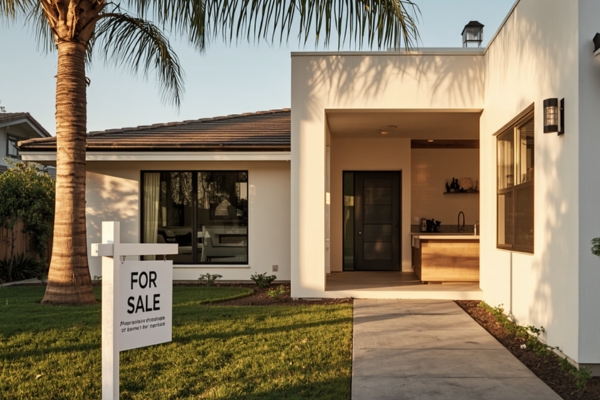
Is Now a Good Time to Sell a Home in San Diego? Here's the Honest Answer
Is Now a Good Time to Sell a Home in San Diego? Here's the Honest Answer
The short answer is: for most San Diego homeowners, yes — but it's not a blanket yes for everyone.
Where most homeowners get this wrong is they treat the question like it's purely about the market. It's not. It's about your situation, your equity, your timeline, and what you're trying to do next. The market is just one piece — and honestly, it's not even the most important one.
I'm Jacob Menath, a real estate agent in Alpine, CA serving San Diego County, and this is a conversation I have with homeowners all the time. And the first thing I tell them is this: for a lot of people, this isn't just about timing the market — it's about timing their life. Because for most people, this decision affects where they live, how they live, and what comes next.
That said, there are some real reasons why right now makes sense for a lot of people — and a few situations where waiting might actually serve you better. Let me walk you through both.
What the San Diego Market Is Actually Doing
San Diego has one of the most resilient housing markets in the country. Inventory is still tight relative to demand in most areas, and that matters because low supply is what keeps prices from dropping in a meaningful way.
Interest rates have shifted the buyer pool — there are fewer buyers than there were a few years ago when rates were at historic lows. But the buyers who are out there are serious. They're not browsing casually. And in a market like San Diego, demand doesn't disappear. People move here. People stay here. Companies are still bringing employees in.
Prices haven't crashed. In most neighborhoods they've leveled off, and in some areas they've actually crept back up. If you bought your home more than a few years ago, you likely have significant equity — more than you might realize.
When Selling Now Makes More Sense
Here are the situations where listing sooner rather than later tends to work in a seller's favor:
You've been in your home 5+ years. Appreciation in San Diego over the past decade has been substantial. If you've owned for a while, your equity position is likely strong. That gap between what you owe and what your home is worth is what puts money in your pocket.
You're right-sizing. Sellers who are downsizing — maybe the kids are gone, the house feels too big, the yard is more work than it's worth — often find that now is a smart time to move. You capture strong equity and move into something that fits your life better.
Your home is move-in ready. Buyers today are pickier. They're looking at higher monthly payments and they don't want to absorb a renovation on top of it. If your home shows well, that's a real competitive advantage right now.
You're relocating. If a job, family, or lifestyle change is on the horizon, the timing of the market matters less than executing the move well. A well-priced, well-marketed home will sell in any market.
One thing worth noting: even in a strong market, the wrong pricing or poor preparation can cause a home to sit. The market creates the opportunity — your strategy determines the outcome.
When Waiting Might Make More Sense
I'll be straight with you — sometimes the answer is not yet.
You're significantly underwater or have minimal equity. If you bought recently at peak prices or refinanced heavily, you may not have enough equity to cover closing costs and still walk away with what you need. That's worth an honest conversation before you list.
Your home needs substantial work. Listing a home with deferred maintenance in today's market is risky. Buyers are scrutinizing everything, and a home that needs a lot of work either takes a price hit or sits longer than it should. Sometimes the smarter play is to address the biggest issues first.
You have nowhere to go. This is more of a personal factor, but it's real. If you'd have to turn around and buy in a competitive market with no plan, the stress of a simultaneous move can be overwhelming. It's worth thinking through your "next step" before you commit to selling.
Key Financial Factors to Consider
Your equity position. This is the starting point. If you don't know what you'd actually walk away with after agent commissions, closing costs, and paying off your mortgage, that number needs to be on paper before you make any decisions.
Capital gains. If you've lived in your home for at least two of the last five years, federal law allows you to exclude up to $250,000 in gains ($500,000 for married couples). If you've owned longer and appreciation has been significant, it's worth talking to your CPA before you list — not after.
Carrying costs vs. selling costs. A lot of homeowners factor in the cost of selling but forget to weigh it against the cost of not selling — property taxes, insurance, maintenance, and opportunity cost of that equity sitting idle.
What you're buying next. If you're staying in San Diego, you'll be buying in the same market you're selling in. That can actually make timing less critical — what you gain in the sale, you partially reinvest in the purchase. But if you're moving somewhere with a lower cost of living, selling now can accelerate that transition considerably.
What Alpine Homeowners Should Specifically Consider
If you're in Alpine or the surrounding East County — El Cajon, Santee, Lakeside, Blossom Valley — there are some things specific to your area worth knowing.
Alpine properties attract a different buyer. Acreage, privacy, mountain views, a slower pace of life — these aren't negatives, they're the selling points. But your buyer pool is more targeted. You're not marketing to someone who wants to walk to a coffee shop. You're reaching people who specifically want what Alpine offers: space, land, and a different lifestyle. Marketing has to be positioned accordingly.
Rural features need to be handled right. Septic systems, wells, propane, solar — buyers from more urban areas can be unfamiliar with these, and that unfamiliarity can create hesitation or kill a deal if it's not handled proactively. Getting a well inspection and septic report done before you list puts you in a much stronger position than waiting for a buyer's contingency to surface problems.
The commute conversation is real. East County has seen strong demand from buyers who can work remotely — and that trend has held. But when interest rates went up, some remote workers pulled back. That said, Alpine is still seeing consistent interest from buyers who want the footprint and the feel of a rural property without leaving San Diego County.
Equity positions vary. East County prices haven't moved at the same pace as central San Diego neighborhoods, which means your appreciation story might look different from a friend who sold in Clairemont or Point Loma. That's not necessarily a problem — but it means you need someone who understands East County values specifically, not someone pricing your home against coastal comps.
Jacob Menath is a real estate agent in Alpine, CA serving San Diego County, helping homeowners make informed, confident decisions when selling their home and navigating major life transitions. If you're in East County and unsure how to position your property, that's exactly the kind of clarity a focused conversation can provide.
A Real Example: Making the Decision
A homeowner in Alpine had owned their property for nine years. Five acres, a well, septic, and a detached workshop. They'd been going back and forth for two years about whether to sell — watching the market, worried they were going to "miss the window."
We sat down and actually ran the numbers. After paying off their mortgage and accounting for selling costs, they were looking at walking away with a substantial amount of equity — more than they'd estimated. They used that to purchase a smaller home in a 55+ community in El Cajon with no yard maintenance, significantly lower carrying costs, and money left over.
Was it the absolute peak of the market? No. But they stopped losing sleep over timing and started gaining clarity about the next chapter. The home sold in three weeks at full price. And for them, that was the right outcome.
How to Decide What's Right for You
Here's a simple framework I use with homeowners who are still on the fence:
Know your number. What would you actually walk away with? Get a real estimate — not a Zillow figure, but a true net sheet with your mortgage payoff and costs calculated.
Know your next step. Do you have a clear plan for where you're going? A vague "we'll figure it out" creates a lot of unnecessary stress.
Know your timeline. Are you flexible, or is there a reason — job, family, health — that makes moving in the next 6–12 months important?
Know your home's condition. Be honest about what it would take to get your home market-ready. Sometimes a little prep work makes a meaningful difference in what you can get.
If those four things are reasonably clear, you can make a decision with confidence.
Common Mistakes Homeowners Make
Waiting for the "perfect" market. The market you're selling in is usually the same market you're buying in. Waiting for rates to drop or prices to peak again can cost you years of your life for a difference that may never materialize the way you're hoping.
Pricing based on what they need, not what the market will bear. Your financial goals don't change what a buyer is willing to pay. Overpricing leads to sitting on the market, which leads to price reductions, which actually gets you less than if you'd priced right from the start.
Underestimating prep work. The homes that are selling fastest and for the most money are the ones that show well. Fresh paint, clean landscaping, minor repairs — these don't have to cost a lot, but they make a real impression.
Going with the agent who gives them the highest price. Some agents inflate the price estimate to win the listing. That's not doing you any favors. What matters is an accurate price that generates competition, not a flattering number that causes your home to sit.
As Jacob Menath, a real estate agent in Alpine, CA helping San Diego County homeowners navigate their sale, one of the most valuable things I can do is give you an honest picture — not just tell you what you want to hear. Most mistakes I see aren't about the market. They're about going in without a clear plan.
Frequently Asked Questions
Is the San Diego housing market going to crash? San Diego's market has shown remarkable resilience over the years due to limited land, strong demand, and consistent population growth. A dramatic crash is unlikely in the near term, but prices have softened from peak levels in some areas. Timing a "crash" is not a reliable strategy.
Should I wait for interest rates to drop before selling? If rates drop significantly, more buyers enter the market — which sounds good, but so do more sellers. You'd be competing in a busier market. Selling now means less competition and serious buyers. And if you're buying next, you can always refinance if rates improve.
How long does it take to sell a home in Alpine? It varies. Well-priced, well-prepared homes in Alpine can sell in two to four weeks. Homes that aren't positioned correctly — wrong price, inadequate prep, or marketing that doesn't reach the right buyer — can sit for months. Strategy matters more than most sellers expect.
What's the difference between selling in East County vs. coastal San Diego? More central areas like Clairemont, North Park, or Mission Valley attract a different buyer profile — higher price points, more urban amenities, different lifestyle. East County buyers are often looking for more space, land, and privacy. The price points are different, the buyer pool is different, and the marketing approach should be different too.
Do I need to disclose well and septic issues when selling in Alpine? Yes. California requires disclosure of known material defects, which absolutely includes well and septic issues. Getting ahead of this with inspections before you list protects you legally and gives buyers confidence.
What's the first step if I'm thinking about selling? Before you do anything else — before you call a contractor, before you look at listings, before you Google your home's value — have a real conversation with an agent who knows your area. Get a clear picture of what your home is worth and what you'd actually walk away with. Everything else follows from there.
Ready to Talk Through Your Situation?
If you're even considering selling in the next 6–12 months, it's worth running the numbers now — even if you decide not to move forward yet. That's especially true if you're in Alpine, El Cajon, Santee, or anywhere in East County, where the prep and positioning strategy really does make a difference.
There's no pressure and no pitch. Just an honest conversation about your numbers, your home, and what makes sense for you.
I'm Jacob Menath with the Menath Real Estate Team. You can reach me directly to schedule a no-obligation conversation. Let's figure out what's actually right for you.
Jacob Menath is a real estate agent in Alpine, CA serving San Diego County, helping homeowners make informed, confident decisions when selling their home and navigating major life transitions.
Menath Real Estate Team | Alpine, CA | Serving San Diego County

Jacob Menath & Kristin Menath | San Diego - eXp Realty of Southern California, Inc. CA DRE# 02187306
San Diego, CA 92131
Should you require assistance in navigating our website or searching for real estate, please contact our offices at
619-391-0220.
License # CA DRE# 01522683 # 01742516
Changing the way San Diego does real estate!


